
What a Parti Québécois win on October 5 would mean for the independence file, the National Assembly's seat math, and the rest of Canada.
Quebec election polls have kept the Parti Québécois at the top of the field heading into Monday’s provincial vote, positioning a party that holds only a handful of seats in the National Assembly to return to government. The Canadian Press reported on October 4, 2026 that the PQ, led by Paul St-Pierre Plamondon, is in line to win power when Quebecers cast ballots on October 5 — an outcome that would put a third referendum on Quebec independence back on the national agenda.
For a party that captured just three seats in the 2022 general election, while the Coalition Avenir Québec was swept back into office with a second majority, the turnaround is one of the more striking reversals in recent Canadian provincial politics. It is also why the campaign’s closing days have been read far beyond Quebec’s borders.
From Three Seats in 2022 to Front-Runner in 2026
The 2022 result left the Parti Québécois with a caucus of three in a 125-seat legislature, a historic low for a party that has formed government multiple times and twice taken Quebec to a referendum on sovereignty. The CAQ, by contrast, converted that election into a commanding second mandate.
Four years later, the polling picture described in reporting ahead of election day has flipped, with the PQ in front and the governing party on the defensive. The source reporting did not publish specific topline percentages, seat projections or pollster-by-pollster breakdowns, so the precise size of the lead is not specified here.
What has been reported is the direction of travel: the PQ enters voting day as the party to beat, and its leader is campaigning as a premier-in-waiting rather than as the head of a three-member opposition bloc.

St-Pierre Plamondon’s Closing Pitch: Governing First, Referendum Later
In the final stretch of the campaign, St-Pierre Plamondon has deliberately played down referendum planning. His closing message frames the election as a judgment on competence and trust — which party Quebecers believe is capable of governing, and whether voters are ready to replace a government he argues has failed across many files.
That framing is a strategic choice with obvious logic. Independence remains the PQ’s founding purpose, but a campaign fought primarily on sovereignty narrows the coalition a party can assemble; a campaign fought on health care, cost of living and public-service delivery widens it. By keeping the referendum question in the background, the leader has kept the ballot question on the record of the incumbent CAQ government.
The substance of the PQ platform beyond that framing — including any timeline, wording or precondition attached to a future referendum — was not detailed in the reporting available for this article, and is listed here as not specified rather than filled in by inference.
Why the Referendum File Is Back in the Conversation
A PQ victory, particularly a majority, would make Quebec sovereignty a live constitutional question for the first time in a generation. Analysts following the campaign — among them political commentator Raphael Melancon, who discussed the party’s referendum stance in the event of a majority — have focused on exactly that scenario: what a governing PQ would actually do with a mandate, and how quickly.

As historical context, Quebec has held two province-wide referendums on its constitutional future, in 1980 and again in 1995, the latter decided by one of the narrowest margins in Canadian electoral history. Any third vote would therefore arrive with a well-developed body of precedent, legal argument and federal-provincial experience attached to it — but no third referendum has been called, scheduled or legislated, and nothing in the current reporting suggests a date exists.
The Seat Math Inside a 125-Member National Assembly
Quebec’s National Assembly has 125 seats, meaning 63 are required for a majority government. That threshold matters more than the popular-vote margin, because Quebec’s four-party competition splits support unevenly across Montreal, Quebec City, the suburban ring and the regions.
- A majority: would give a PQ government the parliamentary room to set its own legislative agenda, including any decision on a future referendum.
- A minority: would leave the party dependent on other blocs in the chamber, where there is no indication of support for reopening the sovereignty question.
- Vote efficiency: with multiple parties competing for the same federalist and nationalist voters, relatively small shifts in regional support can produce outsized swings in seats.
That is the core caution attached to any pre-election read: polls measure stated voter intention at a point in time, not the riding-by-riding distribution that actually determines who forms government.
What Quebec Election Polls Can and Cannot Settle
Survey research ahead of a provincial campaign is a useful snapshot and a poor crystal ball. Quebec election polls have correctly signalled broad momentum in past cycles while missing the margin, and late-deciding voters, differential turnout and strategic switching in close three-way ridings all introduce error that a single headline number cannot capture.
Readers should also note what has not been established in the available reporting: there is no confirmed seat projection, no published margin of error, and no indication of how undecided voters are being allocated. Treat the lead as reported direction, not as a result.
Why the Rest of Canada Is Watching Monday’s Vote
Quebec is Canada’s second-largest province by population and economy, and the possibility of a sovereigntist government reopening the constitutional file has implications well outside the province. Commentary published alongside the campaign coverage framed the vote as a potential turning point for the country, not merely a change of provincial administration.
For business readers, the practical questions are narrower and more immediate: policy continuity on energy and infrastructure approvals, the province’s fiscal trajectory, and whether constitutional uncertainty translates into any measurable risk premium. Markets have spent recent weeks absorbing a different set of signals — the TSX Composite’s 348-point advance on renewed confidence in economic resilience, and a sharpening debate over whether the Bank of Canada moves on rates at its October 28 decision — and a Quebec result will land into that already crowded macro picture.
It is worth being precise about the limits here: no market reaction to the election has been reported, and any assessment of economic consequences will depend on the outcome and on what a new government actually legislates.
The Campaign’s Final Day and the Count That Follows
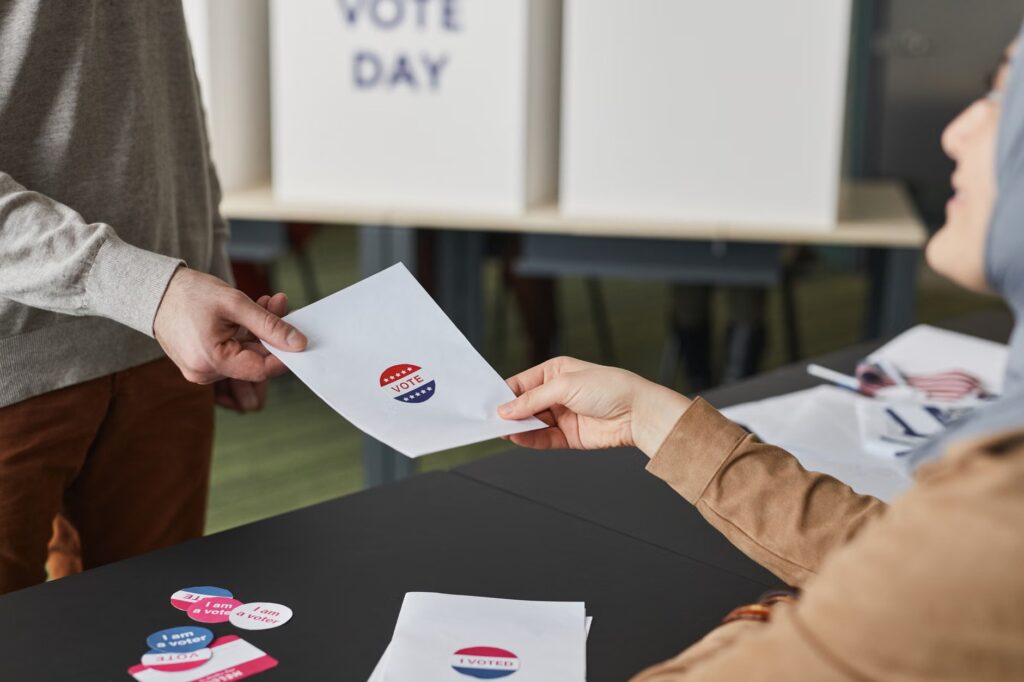
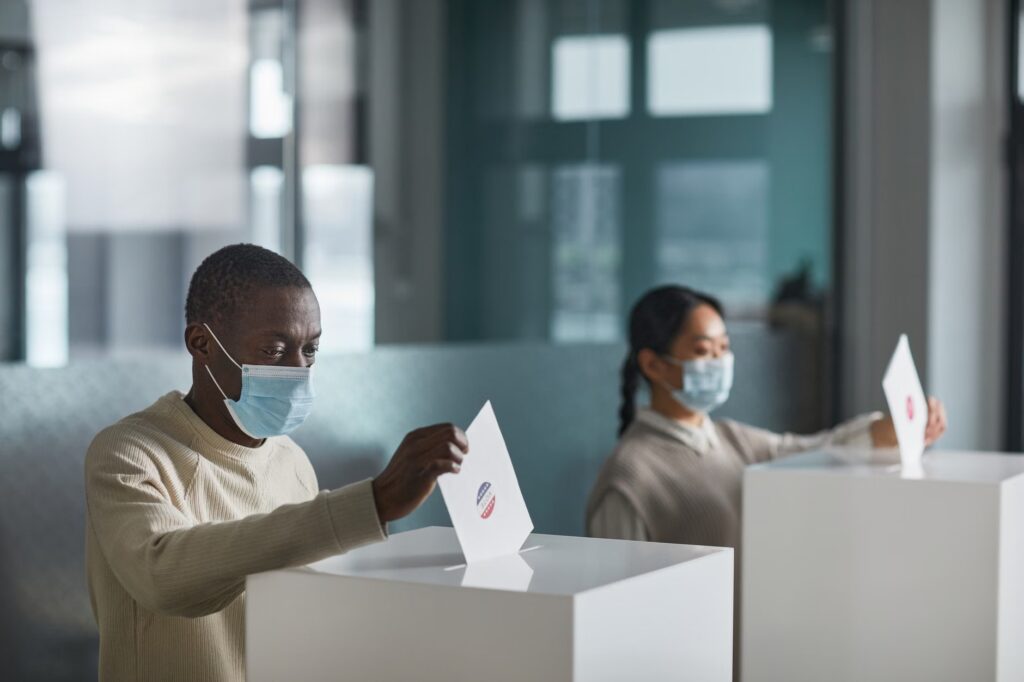
Voting takes place Monday, October 5, 2026, the fixed date for Quebec’s general election. Polls close that evening and results are tabulated the same night, with the party able to command the confidence of the National Assembly forming government.
Beyond that, the next steps depend entirely on the numbers: a majority, a minority, or a surprise. Neither a swearing-in date, a cabinet timetable nor any post-election legislative plan has been announced, and none should be assumed.
Frequently Asked Questions
When is the Quebec provincial election?
Quebecers vote on Monday, October 5, 2026.
Has a third referendum on Quebec independence been called?
No. A PQ win would make the question politically live, but no referendum has been called or scheduled, and no date or wording has been reported.

How many seats did the Parti Québécois hold going into this election?
The party won three seats in the 2022 general election, when the Coalition Avenir Québec was re-elected with a majority.
How many seats are needed to form a majority government in Quebec?
The National Assembly has 125 seats, so 63 are required for a single-party majority.
Do the polls say how large the Parti Québécois lead is?
Not specified. The reporting available describes the party as leading ahead of election day without publishing topline figures or seat projections.

The Brand Magazine Newsroom covers Canadian business, markets and policy news for brand builders and entrepreneurs. Newsroom reports are produced from published public sources such as company releases and government and regulator publications, and follow our Editorial Standards.