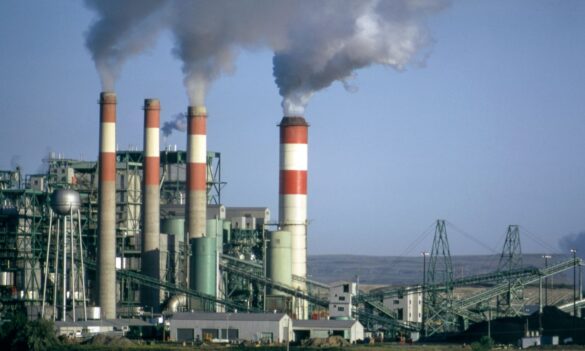
Scientists say extreme weather events all occur in a climate changed by fossil fuels and want attribution research to shift toward damage and accountability.
Climate
Scientists say extreme weather events all occur in a climate changed by fossil fuels and want attribution research to shift toward damage and accountability.
Extreme weather events keep making Canadian headlines. Here is what ‘extreme’ means, and why the difference from ‘excessive’ matters for readers.

The Extreme band has sold 10 million records and still draws 5 million monthly Spotify listeners. Here is how its Six album extends a four-decade brand.
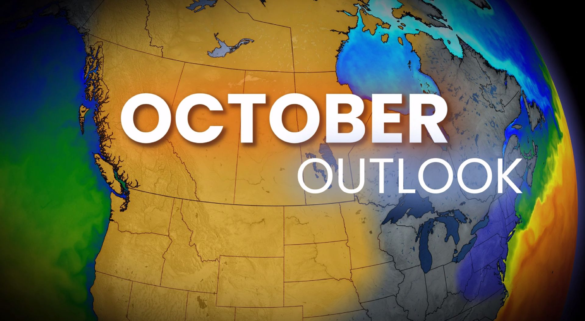
The Canada October weather outlook points to a sharp fall flip: frost and first flakes in the East, above-seasonal warmth in the West and North.
A B.C. rainfall warning covered the Lower Mainland, Central Coast and more, with 40 to 100 mm forecast as a storm tracked southeast into Tuesday.

Prairie storm insured losses topped $1.8 billion across Alberta, Saskatchewan and Manitoba this summer, with ten events tallied by CatIQ and reported by IBC.

Cape Breton flooding left states of emergency in three counties and Port Hawkesbury, with 54 roads still closed, eight bridges damaged and one death reported.

A very strong El Niño is now near-certain through February 2027, the WMO says, warning of shifting rainfall, extreme heat, flood and drought risks worldwide.

Definity catastrophe losses reached an estimated $130 million for July and August 2026 after Ontario and Alberta floods and BC wildfires, above analyst consensus.

Canada net-zero emissions decide when warming stops, a federal assessment finds, with drought, fire weather and flooding impacts already locked in.