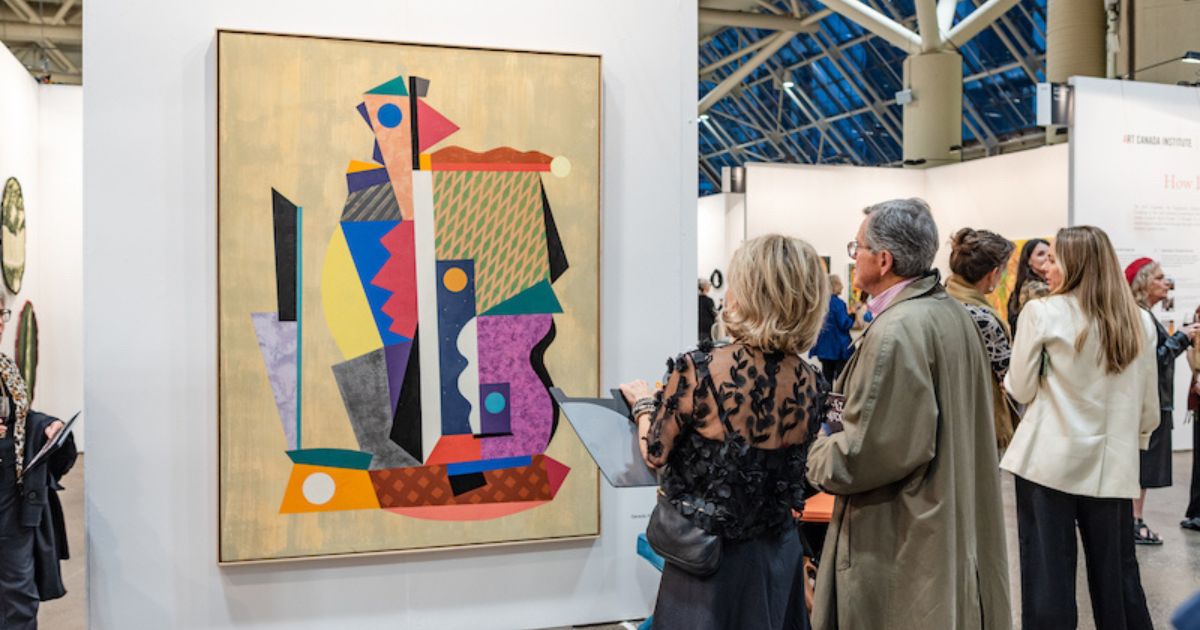
The country's leading international art fair returns for its 27th edition, and here is how its galleries, sections, talks and benefit evening are organized this year.
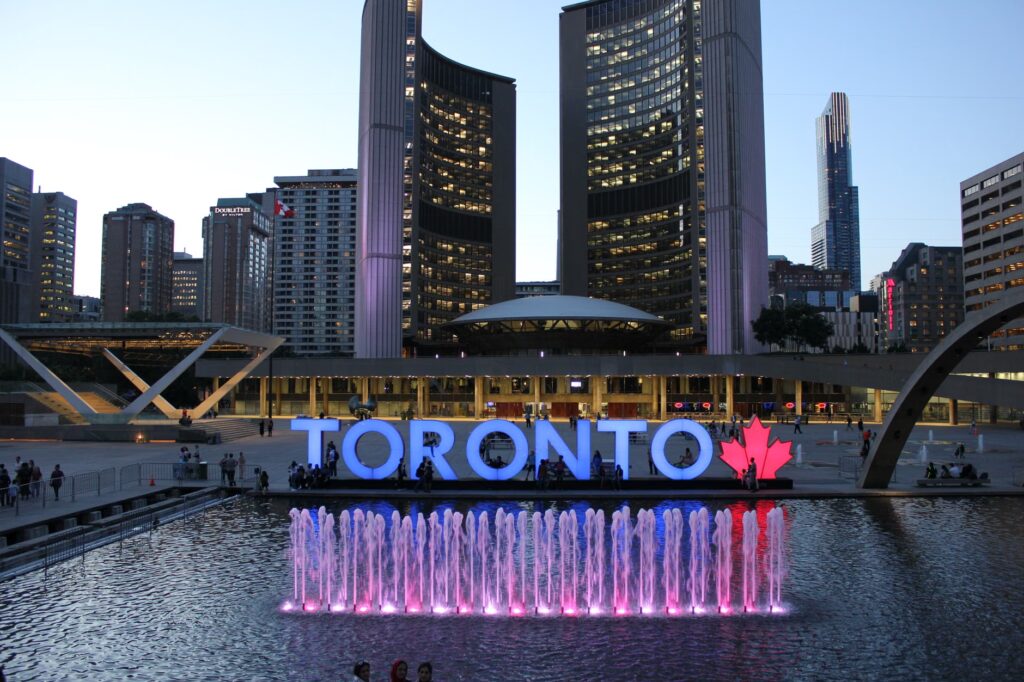
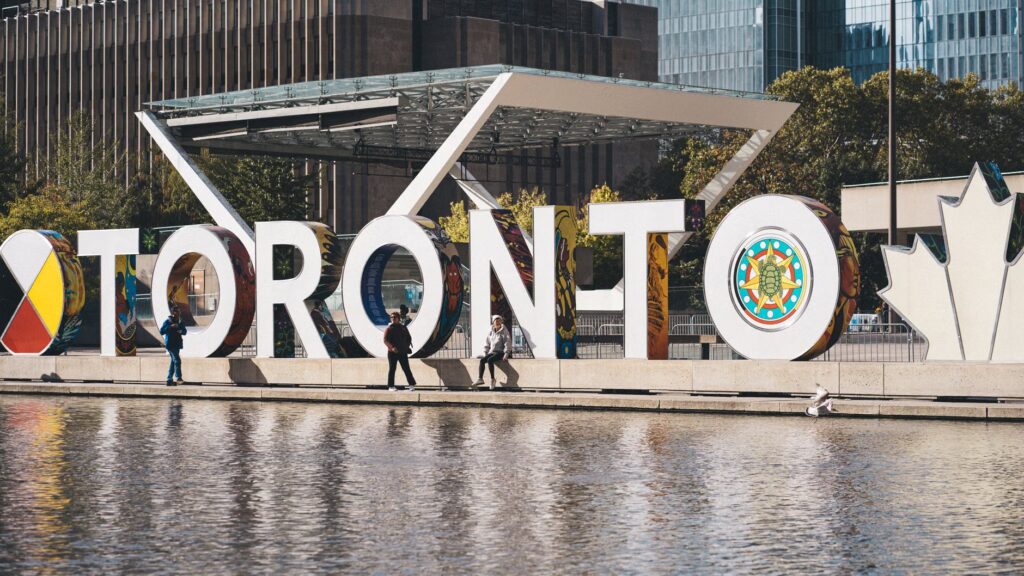
Art Toronto 2026, the 27th edition of Canada’s largest international art fair, opens on October 29 at the Metro Toronto Convention Centre and runs until November 1. Over four days it will bring together more than 100 galleries, installations, project spaces and cultural institutions, drawing exhibitors from across Canada and from art centres in the United States, Europe and Latin America.
The fair begins with a ticketed Opening Night that raises money for the McMichael Canadian Art Collection. Public programming, including guided tours and a talks series, follows through the weekend.
| Event | Art Toronto, 27th edition |
|---|---|
| Dates | October 29 to November 1, 2026 |
| Venue | Metro Toronto Convention Centre, North Building, 255 Front St W, Toronto, ON M5V 2W6 |
| Exhibitors | More than 100 galleries, installations, project spaces and cultural institutions |
| Opening Night | October 29, benefiting the McMichael Canadian Art Collection |
| Ticket types | Opening Night, general admission and multi-day passes |
| Ticket prices | Not specified |
A Fair Built Since 2000 Around Canadian Audiences
Art Toronto was founded in 2000. Its purpose since then has been to connect Canadian collectors and visitors with artists and galleries from across the country and abroad, all under one roof.
Each autumn, that model turns a downtown convention hall into a temporary marketplace and exhibition space. This year’s fair covers both contemporary and historic work, so visitors may see recent pieces displayed near older material.
Brand Magazine has also reported on the exhibitors, Burtynsky photographs and the fair’s push to attract new collectors. This article focuses on how the 2026 fair is organized and what visitors will find over the four days.
From Montréal to Bogotá: Where the Art Toronto 2026 Galleries Come From
The 2026 lineup combines established commercial galleries, newer spaces and nonprofit organizations. Toronto and Montréal provide the largest share of exhibitors, which reflects the size of their gallery scenes.
Exhibitors from outside those two cities include:
- Western Canada: galleries from Vancouver and Calgary.
- United States and Europe: exhibitors from New York, London, Amsterdam and Paris.
- Latin America: participants from Buenos Aires, Santiago, Lima and Bogotá.
A full exhibitor count by city was not given. Even so, the spread shows that a fair rooted in the Canadian market is also bringing in overseas dealers, and that many of them come from Spanish-speaking South America.
Main, Verge, Solo and the Other Sections on the Floor
Art Toronto divides its exhibitors into sections, and each one has its own focus. The sections help visitors find their way around a large hall and give smaller or newer galleries a clear place in the fair.
- Main: the core section of the fair.
- Verge: galleries that have been operating for less than ten years.
- Solo: booths devoted to one artist each.
- Arts & Cultural Institutions: museums and nonprofit organizations that are present alongside the commercial galleries.
- Project Spaces: installations and presentations that go beyond a standard booth.
- Discover: a section presented by Royal Bank of Canada (RBC).
Including museums and nonprofits next to dealers gives visitors a wider picture of the contemporary art world. The fair is not only a place to buy art. It also shows the public-facing institutions that collect, show and support artists.
Arte Sur Returns for a Second Edition
Arte Sur, which started last year, is back for a second edition. The section features artists and galleries from Mexico, Central America and South America, and it gives Latin American art its own space within the larger fair.
Arte Sur is one reason the fair’s exhibitor list now includes cities such as Lima and Santiago. A second edition suggests organizers see lasting interest in this work from Canadian audiences.
Tours and Platform Talks Beyond the Booths
The fair also offers programming away from the booths. Artists, curators, collectors and art advisors will lead tours throughout the weekend. These tours can help visitors who are unsure where to start in a large hall.
The Platform Talks series will bring together speakers from the Canadian and international art worlds. Organizers had said the 2026 speaker lineup would be announced in early fall. Specific speakers and session times were not available in the information reviewed for this article, so visitors should check the fair’s official schedule.
Opening Night and the McMichael Canadian Art Collection
The fair opens with Opening Night on Thursday, October 29. The evening is a fundraiser for the McMichael Canadian Art Collection. Ticket holders get an early look at the fair before the general public, alongside artists, gallerists, collectors, curators and art consultants.
General context: The McMichael, in Kleinburg, Ontario, is a public gallery known mainly for its collection of historic and contemporary Canadian art, including works by the Group of Seven. Linking the fair’s opening to a Canadian public gallery is a common way for art fairs to direct part of the event’s attention and revenue toward institutions.
Tickets for Opening Night are sold separately from general admission and multi-day passes. Prices were not specified.
See Art Toronto Opening Night Details
Why a Toronto Art Fair Matters Beyond the Art World
General context: Art fairs are business events as well as cultural ones. Many of the galleries taking part are small, independently owned businesses. For them, a few days of face-to-face meetings with collectors, advisors and institutions can bring sales and contacts that would take months to build any other way.
Several details in this year’s fair point to that commercial side:
- A section for younger galleries: Verge gives businesses under a decade old visibility next to established dealers.
- Corporate sponsorship: RBC’s role as presenter of the Discover section shows how major Canadian companies continue to invest in cultural programming.
- International draw: exhibitors travelling from Paris, Amsterdam and South America see Toronto as a market worth the trip.
- Institutional ties: the McMichael fundraiser links a commercial event to a public gallery.
For readers who follow the Canadian economy, the fair shows how the arts sector depends on private sales, sponsorships and public institutions all at once.
Frequently Asked Questions
When and where is Art Toronto 2026?
It runs from October 29 to November 1, 2026, at the Metro Toronto Convention Centre North Building, 255 Front St W, Toronto.
Who benefits from Opening Night?
Opening Night on October 29 raises money for the McMichael Canadian Art Collection.
What ticket options are available?
Tickets are offered for Opening Night, general admission and multi-day passes through the fair’s official website. Prices were not specified.
What is Arte Sur?
Arte Sur is a section, now in its second edition, that features artists and galleries from Mexico, Central America and South America.

The Brand Magazine Newsroom covers Canadian business, markets and policy news for brand builders and entrepreneurs. Newsroom reports are produced from published public sources such as company releases and government and regulator publications, and follow our Editorial Standards.