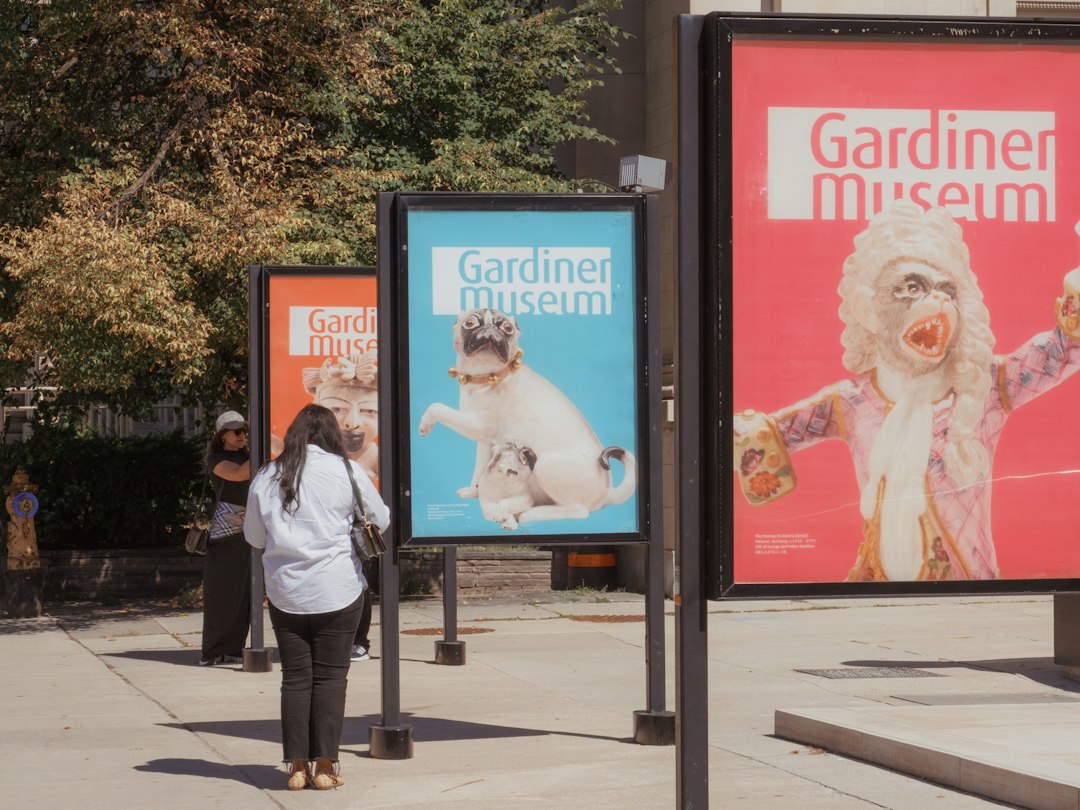
Four artists with Caribbean roots use clay, motion sensors, video games and scent to explore the body as a site of memory, protection, resistance and belonging, in a show that runs until spring 2027.
A new Gardiner Museum exhibition is drawing attention in Toronto this fall. After the Island: Caribbean Canadian Ceramics brings together four Canadian artists with Caribbean roots who use clay, along with other materials, to examine the human body as a place of memory, protection, resistance and belonging.
The show is presented with Black Artists’ Networks in Dialogue, known as BAND, and remains on view until April 25, 2027. That gives visitors more than six months to see it.
The exhibition stands out for how much it asks of visitors. Instead of keeping everything behind glass, several works invite people to move, play, listen and even smell. These are uncommon demands for a museum built around ceramics.
Inside After the Island: Clay as a Record of the Body
The central idea of After the Island is that the body carries history. For artists whose families trace their roots to the Caribbean, the body can hold inherited memory, personal identity and the experience of migration all at once.
The exhibition arranges that idea around four themes:
- Memory: how personal and family histories live on in the body.
- Protection: the body as something to be guarded and shielded.
- Resistance: the body as a site of pushback and endurance.
- Belonging: how identity and community take physical form.
Clay suits these themes. It is shaped directly by the hand, records pressure and touch, and survives long after the person who formed it. The artists also combine ceramics with other materials, so the show goes beyond what visitors might expect from a traditional pottery display.
Eddy Firmin’s Ceramic Punching Bags and Video Game
The most talked-about pieces may be Eddy Firmin’s motion-activated ceramic punching bags. Ceramics are usually seen as fragile objects to be protected. A punching bag is built to be struck. Putting the two together creates tension right away.
Because the bags respond to movement, the work reacts when visitors come near it. Firmin’s contribution also includes an interactive video game, which moves the exhibition into digital territory that few people link with clay.
The pairing connects directly to the show’s themes of protection and resistance. A punching bag suggests training, defence and struggle. A video game suggests play and choice. Together they ask visitors to think about the body as both vulnerable and capable of fighting back.
Manuel Mathieu’s Tent Installation and the Use of Scent
Manuel Mathieu takes a different route with a tent installation that uses scent. A tent is temporary shelter, a structure tied to travel, displacement and makeshift home. Those ideas sit comfortably beside a show about Caribbean roots and Canadian lives.
Adding scent is notable. Smell is often described as one of the senses most closely tied to memory, and museums rarely use it. By building an installation that visitors experience through smell as well as sight, Mathieu connects the show’s theme of memory to something visitors physically feel.
The names of the other two participating artists, and details of their works, were not specified in the information available to Brand Magazine at the time of writing.
Why the Gardiner Museum Exhibition Matters for Toronto Audiences
The Gardiner Museum is known as a museum devoted to ceramics. A show led by Caribbean Canadian artists broadens whose stories the medium is used to tell, and it places contemporary diaspora voices inside an institution whose subject goes back thousands of years.
Toronto is home to one of Canada’s largest Caribbean communities. For many residents, an exhibition about memory, migration and belonging rooted in Caribbean experience will feel personal rather than abstract. For other visitors, it offers a way into histories that shape the city but are not always visible in its major cultural institutions.
The interactive design could also attract people who would not normally visit a ceramics museum. Motion sensors, a video game and a scent-based installation give younger visitors and first-time museumgoers an easy way in. Canadian galleries have been experimenting with this kind of hands-on approach, as seen when an AI exhibition for children opened at Regina’s MacKenzie Art Gallery.

The BAND Partnership Behind the Show
After the Island is presented together with Black Artists’ Networks in Dialogue. BAND is an organization that focuses on Black artists and their communities, and its involvement signals that the exhibition was shaped with input from people connected to the communities it represents.
For readers who follow how organizations build credibility, the partnership is worth noting. Cultural institutions face growing expectations to show genuine community involvement rather than token representation. Co-presenting with a specialist arts organization is one way a museum can widen its reach, earn trust with new audiences and share curatorial perspective.
The specific roles each organization played in curating, programming or funding the exhibition were not specified.
Visiting After the Island: What Is Confirmed So Far
Here are the key details that are currently confirmed about the exhibition:
| Detail | Information |
|---|---|
| Exhibition title | After the Island: Caribbean Canadian Ceramics |
| Venue | Gardiner Museum, Toronto |
| Presented with | Black Artists’ Networks in Dialogue (BAND) |
| Number of artists | Four Canadian artists with Caribbean roots |
| Named artists | Eddy Firmin, Manuel Mathieu (others not specified) |
| Notable works | Motion-activated ceramic punching bags and an interactive video game (Firmin); scent-based tent installation (Mathieu) |
| Themes | The body as a site of memory, protection, resistance and belonging |
| Opening | October 2026 (exact date not specified) |
| Closing date | April 25, 2027 |
| Admission and hours | Not mentioned |
Admission prices, opening hours and any related public programming were not included in the available details. Visitors should check with the museum directly before planning a trip, particularly if they want to try the interactive works at a quieter time.
A Long Run That Rewards a Return Visit
With a closing date of April 25, 2027, After the Island runs through the Toronto winter and into spring. A long run like this gives schools, community groups and visitors from outside the city time to plan around it.
It also suits a show built on interaction. Visiting a second time, whether to spend more time with Firmin’s game or to come back to Mathieu’s tent, is likely to give a different experience than a quick walkthrough. For Toronto audiences interested in where Canadian art is heading, this is one of the season’s more ambitious offerings.

The Brand Magazine Newsroom covers Canadian business, markets and policy news for brand builders and entrepreneurs. Newsroom reports are produced from published public sources such as company releases and government and regulator publications, and follow our Editorial Standards.