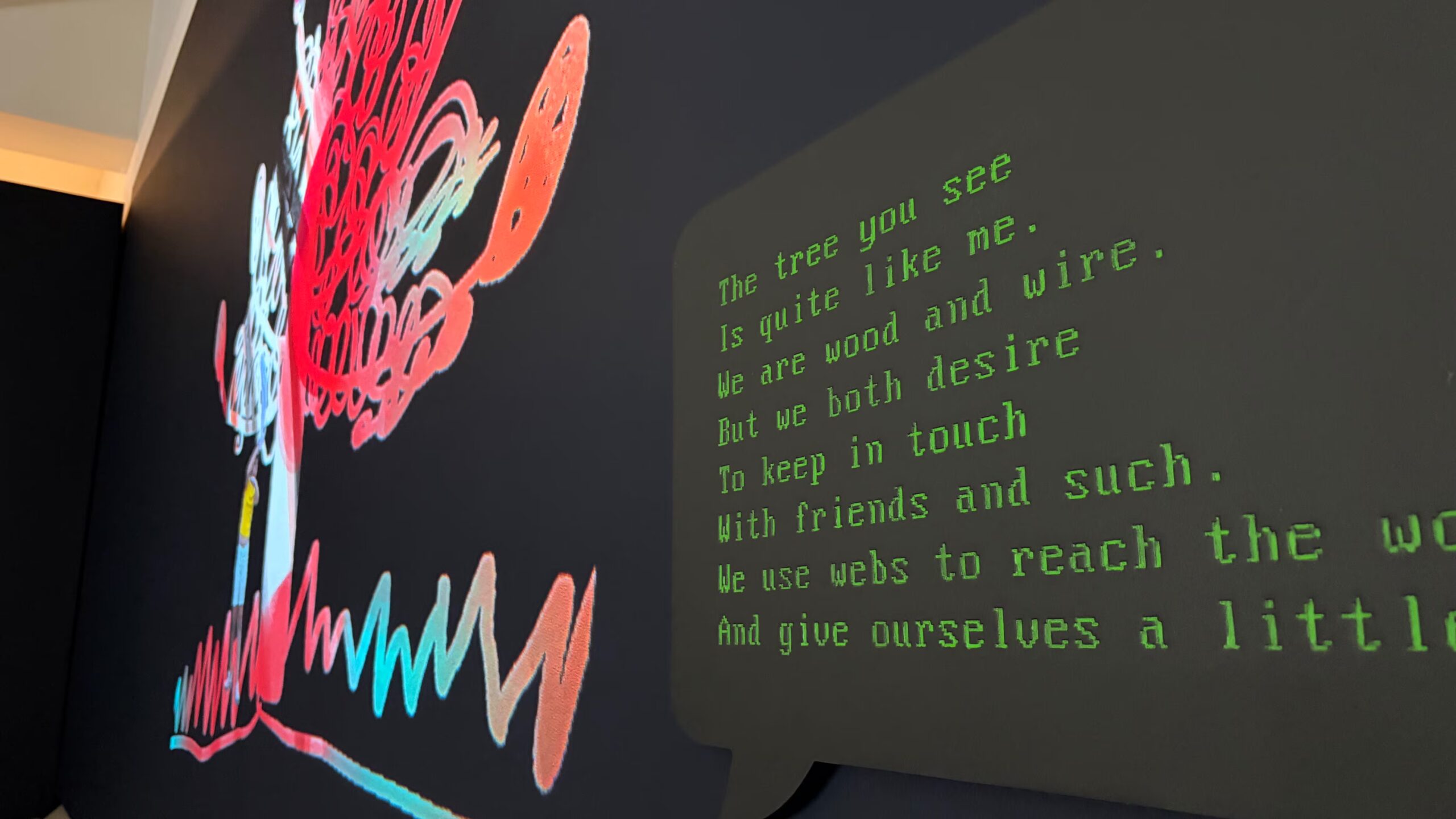
Wake Windows: Circle Time asks how the first generation raised alongside artificial intelligence might learn to understand it, and why a public art gallery wants to start that conversation in early childhood.
A new AI exhibition for children has opened at the MacKenzie Art Gallery in Regina, and it starts from a premise that would have sounded like science fiction a decade ago: today’s babies are the first generation to meet artificial intelligence as an ordinary part of daily life. The show, titled Wake Windows: Circle Time, was reported open on October 8, 2026.
Rather than treating AI as a subject for older students or adults, the exhibition takes a child-centred approach to digital literacy. It asks how young people might interact with, and make sense of, a technology that has surrounded them from birth.
For a public gallery, that is an unusual starting point. It places one of the most debated technologies of the moment in front of the audience least likely to be consulted about it, and invites families into the conversation together.
What Wake Windows: Circle Time Sets Out to Explore
The core idea is straightforward. Children growing up now will not remember a time before voice assistants, recommendation feeds, or chatbots. For them, AI is less a breakthrough than a background condition, as familiar as electricity or running water.
The exhibition frames digital literacy around that reality. Instead of waiting until children are old enough to study technology formally, it considers how understanding can begin much earlier, through play, curiosity, and shared experience in a gallery setting.
The gallery describes the effort as a fresh approach to the subject. Specific works, participating artists, and the exact format of the interactive elements were not specified in the information available at the time of publication.
Why “Wake Windows” and “Circle Time” Are Telling Choices
The title borrows two phrases that will be instantly recognisable to many Canadian parents and early childhood educators. Neither is drawn from the language of technology, which is itself a signal of the show’s intent.
- Wake windows: In everyday parenting language, this refers to the stretch of time an infant or toddler stays awake between naps. It is a phrase tied closely to the rhythms of the earliest months and years of life.
- Circle time: A familiar routine in daycares, preschools, and kindergarten classrooms, where children gather to talk, sing, listen to stories, and share ideas as a group.
Read together, the words point toward early childhood, routine, and togetherness. The interpretation here is Brand Magazine’s own reading of the title; the gallery’s full curatorial explanation was not detailed in the available information.
What the pairing does suggest is a deliberate softening of a subject that often arrives wrapped in anxiety. By using the vocabulary of the nursery and the classroom, the exhibition frames AI as something to be explored calmly rather than feared or ignored.
An AI Exhibition for Children Who Have Never Known Life Without It
The phrase “first generation” carries real weight. Previous waves of children grew up alongside television, home computers, the internet, and smartphones, and each prompted public debate about screen time and development.
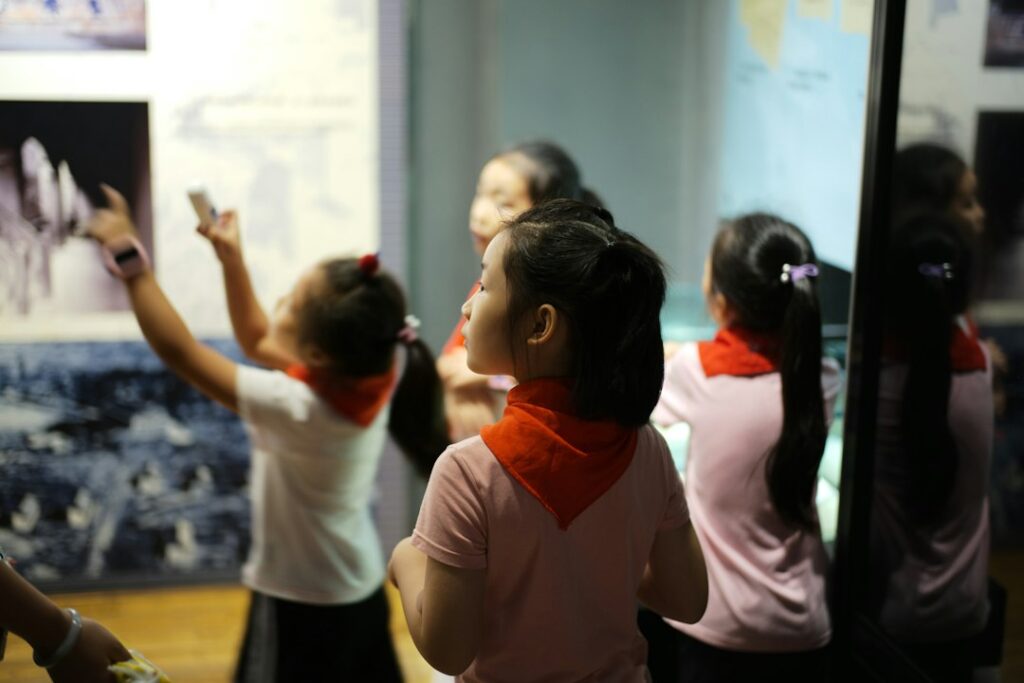
Artificial intelligence is different in one important respect: it responds. A television plays the same program regardless of who is watching, while many AI tools adapt, answer back, and learn from the people who use them. That makes the question of how children relate to these systems more personal.
An AI exhibition for children takes that question seriously at the age when habits and assumptions first form. It treats young visitors not only as future users of technology but as people already living with it.
How AI Literacy Has Moved From Classrooms Into Cultural Spaces
General context: Across Canada and internationally, educators, libraries, and museums have increasingly framed AI literacy as a basic skill, comparable to reading or media literacy. The focus is generally on helping people understand what AI tools are, how they produce answers, and where they can go wrong.
Most of that work has targeted teenagers and adults, whether through school curricula, workplace training, or public lectures. Programming aimed at very young children has been far less common, partly because the technology is complex and partly because experts and parents continue to debate how much exposure is appropriate at young ages.
Galleries occupy a useful middle ground in that debate. They are not schools, so there are no tests, and they are not tech companies, so there is no product to sell. That gives an art institution room to raise questions about technology without having to settle them.
Art has long served this role. Artists have responded to photography, film, television, and the internet as each arrived, often helping the public think about a new medium before policy and education caught up. An exhibition built around AI and early childhood fits within that tradition.
The MacKenzie Art Gallery’s Role in Regina
Background: The MacKenzie Art Gallery is one of Saskatchewan’s best-known public art institutions, named for Norman MacKenzie, the Regina lawyer and collector whose bequest helped establish it. It has long served both as a home for its permanent collection and as a venue for contemporary exhibitions and public programming.
Family and youth audiences have been a meaningful part of that public role, as they are for many civic galleries across the country. A child-centred show focused on technology extends that commitment into new territory.
For Regina, the exhibition also places the city in a national conversation that is often dominated by larger tech centres. Discussions about artificial intelligence in Canada tend to focus on research hubs and corporate investment, so a Prairie gallery exploring the topic through the lens of early childhood offers a different perspective.
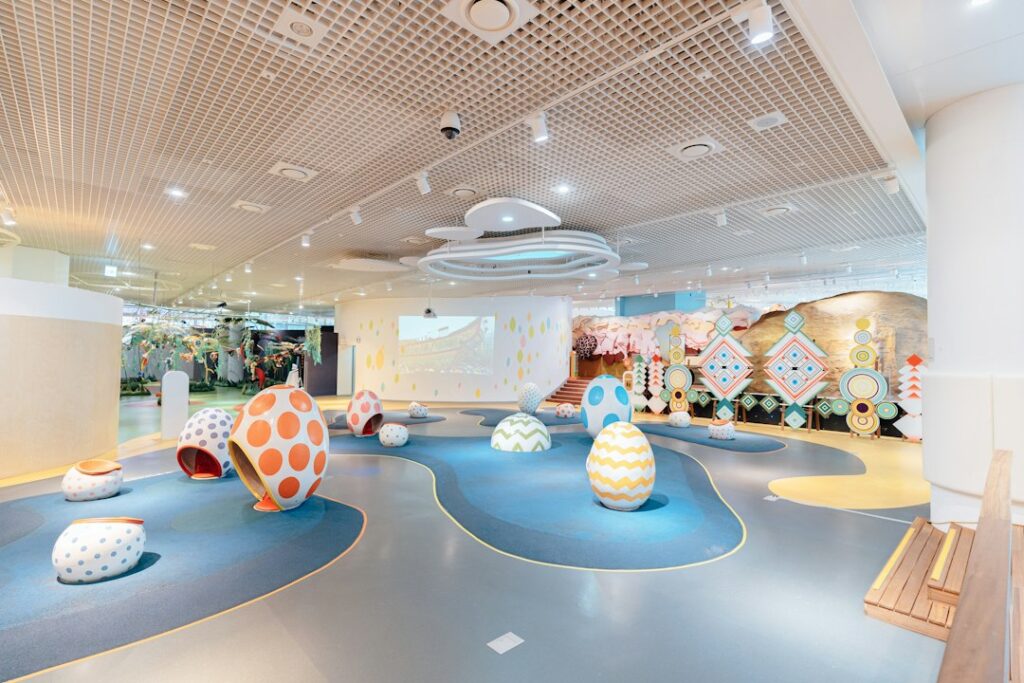
What the Exhibition Means for Families and Educators
For parents, the show arrives at a moment when many households are working out their own rules about technology. Smart speakers in the kitchen, AI features built into phones, and chat tools used for homework have become common, often before families have had a chance to discuss them.
A gallery visit cannot answer every question, but it can create a shared starting point. Some of the conversations an exhibition like this may prompt include:
- Naming the technology: Helping children recognise when they are talking to, or being shown something by, a machine rather than a person.
- Curiosity over fear: Encouraging questions about how a tool works instead of treating it as either magic or a threat.
- Shared experience: Exploring technology together as a family rather than leaving children to navigate it alone on a screen.
- Creativity and authorship: Thinking about what it means when a picture, story, or song is made by a person, by a machine, or by both.
These points are offered as general discussion prompts, not as descriptions of specific works in the show. For early childhood educators, the exhibition’s use of familiar classroom language may also make it a natural fit for group visits, although details of any school programming were not specified.
Wake Windows: Circle Time at a Glance
The table below summarises what is confirmed so far and what has not yet been made public.
| Detail | Information |
|---|---|
| Exhibition title | Wake Windows: Circle Time |
| Venue | MacKenzie Art Gallery |
| City | Regina, Saskatchewan |
| Intended audience | Children, with a child-centred design |
| Central themes | Digital literacy and artificial intelligence |
| Key premise | The first generation growing up with AI in daily life, and how they can interact with it from birth |
| Reported open | October 8, 2026 |
| Closing date | Not specified |
| Admission | Not specified |
| Participating artists | Not specified |
| Recommended age range | Not specified |
Families planning a visit should confirm hours, admission, and any age guidance directly with the gallery before heading out, as those details were not part of the opening announcement.
The Bigger Question Behind a Show for Small Visitors
Much of the public debate about artificial intelligence centres on jobs, regulation, misinformation, and the companies building the technology. Those are serious issues, but they tend to leave out the people who will live with AI the longest: today’s youngest children.
Wake Windows: Circle Time shifts the focus to them. By treating infants, toddlers, and young children as an audience worth designing for, the exhibition suggests that understanding AI is not a skill to add later in life but one that begins with the earliest everyday experiences.
Whether that approach becomes a model for other Canadian galleries remains to be seen. For now, Regina’s MacKenzie Art Gallery has opened a space where the newest technology and the oldest routines of childhood sit side by side, and where families are invited to work out what that means together.

The Brand Magazine Newsroom covers Canadian business, markets and policy news for brand builders and entrepreneurs. Newsroom reports are produced from published public sources such as company releases and government and regulator publications, and follow our Editorial Standards.