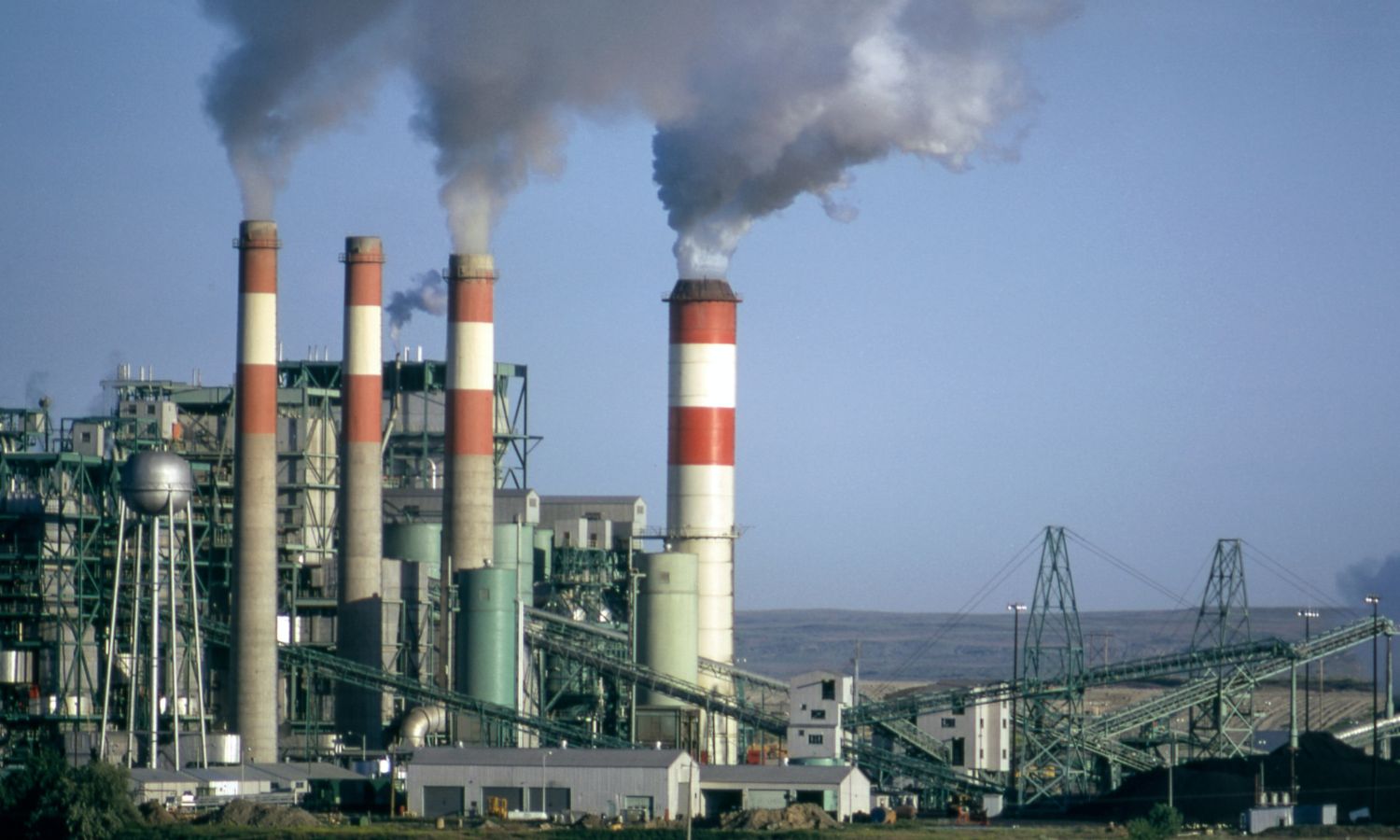
A new commentary argues that researchers, journalists and the public should treat a fossil fuel-altered climate as the starting point and spend their energy measuring damage and responsibility instead.
Every time a heat wave, flood or wildfire season makes headlines, the same question follows: did climate change play a role in these extreme weather events? A group of climate scientists now says that question has been answered so many times that it is holding research back. In a commentary published in late September 2026 and expanded on in an October 14 blog post, they argue that scientists, journalists and the public should assume fossil fuel-driven warming affects every extreme event to some degree, and move on to harder questions about how much, who pays and what to do next.
The case is made by Marc Alessi, a climate scientist with the Union of Concerned Scientists (UCS), a U.S.-based non-profit. Alessi studies how Earth’s climate and extreme weather are changing because of fossil fuel emissions, using climate models, machine learning and simplified representations of the climate system. He and his co-authors describe their proposal as a “normative shift”, meaning a change in the default assumptions researchers bring to their work.
From “Did Climate Change Cause This?” to “How Much, and What Now?”
The central idea is a change in starting point. For years, the standard approach after a disaster has been to test whether human influence can be detected in the event at all. The authors want that test to stop being the opening move.
They argue instead that every event now happens inside a climate system that decades of fossil fuel burning have already reshaped. Under that framing, the useful questions become:
- How: through which physical processes did warming shape the event?
- To what extent: how much stronger, wetter, hotter or more likely was it?
- What response: what should governments, communities and industries do about it?
Alessi stresses that the message is aimed beyond the research community. Journalists, opinion leaders and ordinary readers, he writes, should all begin their thinking about extreme weather from the premise that the climate has already been altered.
How a Warmer Atmosphere, Ocean and Jet Stream Reshape the Weather
The argument rests on changes to the climate system that the authors describe as well established. They point to several of them:
- A wetter atmosphere: warmer air can hold more water vapour, which intensifies the global water cycle and can feed heavier rainfall.
- Shifting circulation: the Hadley Circulation, a large tropical air-circulation pattern, is expanding, and there is evidence that the westerly jet streams are moving toward the poles, altering weather patterns over the United States.
- An overheated ocean: the oceans have absorbed 92% of the extra heat trapped by fossil fuel-driven warming, and marine heat waves are becoming more frequent and intense worldwide.
Because these changes touch the atmosphere, the ocean and the land at once, the authors say no single weather event can be treated as if it unfolded in an untouched climate.
Two Decades of Attribution Science and Hundreds of Studies
Climate attribution science is the branch of research that links specific weather and climate outcomes to human influence. The commentary describes it as a mature field that has been tested and refined over roughly the past 20 years.
Its best-known form, extreme event attribution, typically asks how much more intense an event was because of fossil fuel-driven warming, or how much more often such events will happen. According to the blog post, hundreds of attribution studies have now been published. Many found conclusive evidence that human-caused climate change worsens extreme heat, extreme rainfall, rainfall from tropical cyclones and the fire-weather conditions behind wildfires in the western United States.
The authors also cite the Intergovernmental Panel on Climate Change (IPCC), whose most recent assessment states that it is “unequivocal” that human influence has warmed the atmosphere, ocean and land, and that climate change is already affecting many weather and climate extremes in every region of the world. In Alessi’s words, when people ask whether climate change contributed to a given disaster, “the answer is yes.”
The Big Tobacco Comparison Behind the Argument
Much of the post explains why the authors think the question keeps coming up. Alessi points to what he describes as doubt manufactured by the fossil fuel industry, citing an earlier UCS report.
According to that report, oil companies knew as early as the late 1950s that burning fossil fuels would change the climate. The post says that rather than adjust their business models, they worked to cast doubt on the science so they could keep profiting from extraction and combustion.
Alessi compares this to the tobacco industry’s response in the mid-20th century, when growing evidence tied smoking to lung cancer and companies spread misinformation to protect sales. He argues the climate case is worse. The science was well understood by the 1980s, he writes, and U.S. President George H. W. Bush pushed for action that helped lead to the United Nations Framework Convention on Climate Change. The post says the industry answered with advertorials, attacks on the science, warnings about the cost of moving away from fossil fuels that ignored the cost of climate change itself, and the funding and promotion of what Alessi calls junk science. He says Exxon and other companies were producing and spreading this material by the late 1990s.
These are the author’s characterizations, supported by his organization’s own research. Brand Magazine has not independently reviewed the underlying report.
Impact and Source Attribution: Where the Researchers Want Effort to Go
The practical complaint is about time and money. Alessi writes that climate scientists have spent large amounts of both reproducing and re-explaining conclusions that have been settled for decades, when that capacity could have pushed the field forward.
If the default assumption changes, the authors say, researchers can focus on two less-developed areas:
- Impact attribution: estimating how many additional deaths, or how much additional economic damage, a disaster caused because of fossil fuel-driven warming.
- Source attribution: measuring how much individual oil and gas producers have contributed to climate trends and specific extreme events.
The second area carries legal weight. The post notes that lawsuits seeking to hold fossil fuel companies accountable can draw on source attribution findings. Alessi also writes that conservative groups continue to claim the science is unsettled, and that some U.S. legislators have questioned the validity of attribution science in proposed legislation that would give oil companies legal immunity. The post does not name specific bills.
Why the Debate Over Extreme Weather Events Matters in Canada
The commentary does not discuss Canada; its examples and political references are American. The issues it raises still apply to Canadian readers, who have lived through record heat, smoke-filled wildfire seasons and damaging floods in recent years. Brand Magazine has previously looked at what the word “extreme” tells Canadians about a changing climate, and this proposal pushes that conversation a step further.
As general context, here is where the shift could matter in Canada:

- Disaster coverage: newsrooms that routinely ask whether climate change was involved could instead report on how much it changed the odds or the severity of an event.
- Public spending: impact attribution, which puts numbers on lives lost and damage caused, is the kind of evidence that can inform decisions on adaptation, infrastructure and emergency budgets.
- Insurance and business risk: companies pricing weather risk depend on understanding how a changed climate shifts the frequency of costly events.
- Accountability debates: source attribution could play a role wherever courts or policymakers examine the responsibility of energy producers, a sensitive question in a country with a major oil and gas sector.
None of these uses is described in the commentary itself. They show why a debate taking place mainly among U.S. scientists could still reach Canadian policy and business discussions.
What the Proposal Does and Does Not Claim
It is easy to read the argument as saying that climate change “causes” every storm. That is not quite what the authors say. They argue that warming influences every event “to some extent”, and the size of that influence still has to be measured case by case. That is why “to what extent” sits at the centre of their proposed questions.
Readers should also keep the source in mind. The piece is a perspective commentary written by scientists at an advocacy-oriented organization, and the blog post is openly persuasive. Its scientific foundations, including the IPCC findings and the large body of published attribution research, are widely recognized. Its statements about industry conduct and proposed legislation reflect the author’s assessment.
Alessi closes by arguing that updating these norms would let attribution science keep evolving and respond more effectively to the climate crisis, without being weighed down by what he calls tired arguments that serve fossil fuel interests.
Frequently Asked Questions
What is extreme event attribution?
It is research that estimates how much human-caused warming changed the intensity or likelihood of a specific weather event, such as a heat wave or a heavy rainstorm.
Are the scientists saying climate change causes every disaster?
No. They say every event now happens in a climate altered by fossil fuels, so some influence should be assumed, but the size of that influence still needs to be measured.
What is the difference between impact and source attribution?
Impact attribution estimates the extra deaths or economic damage linked to warming. Source attribution measures how much individual oil and gas producers have contributed to climate trends and events.
Does the commentary mention Canada?
No. Its examples focus on the United States, but the scientific and policy questions it raises also apply to Canada.

The Brand Magazine Newsroom covers Canadian business, markets and policy news for brand builders and entrepreneurs. Newsroom reports are produced from published public sources such as company releases and government and regulator publications, and follow our Editorial Standards.