Extreme weather in Canada is becoming more frequent and costly. Here is what is driving wildfires, floods and heat, and how communities are adapting.

Extreme weather in Canada is becoming more frequent and costly. Here is what is driving wildfires, floods and heat, and how communities are adapting.
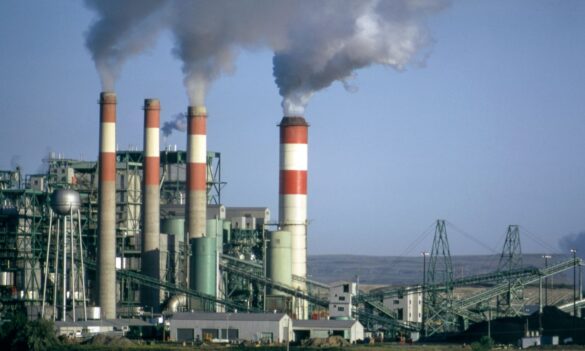
Scientists say extreme weather events all occur in a climate changed by fossil fuels and want attribution research to shift toward damage and accountability.
Extreme weather events keep making Canadian headlines. Here is what ‘extreme’ means, and why the difference from ‘excessive’ matters for readers.
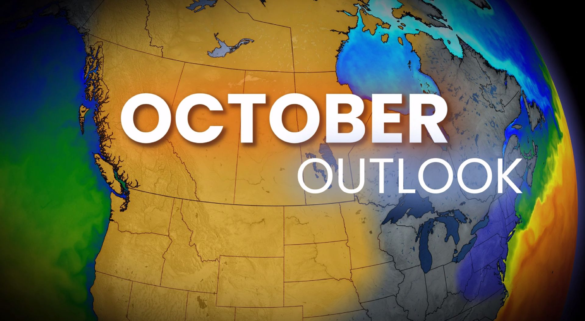
The Canada October weather outlook points to a sharp fall flip: frost and first flakes in the East, above-seasonal warmth in the West and North.
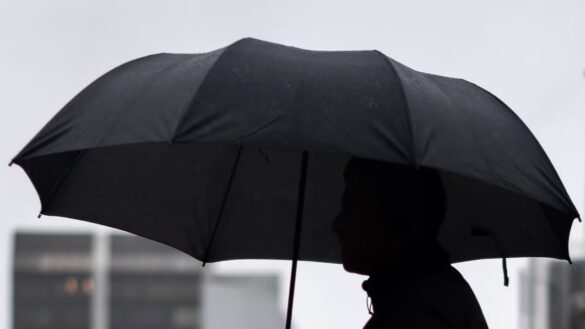
A B.C. rainfall warning covered the Lower Mainland, Central Coast and more, with 40 to 100 mm forecast as a storm tracked southeast into Tuesday.
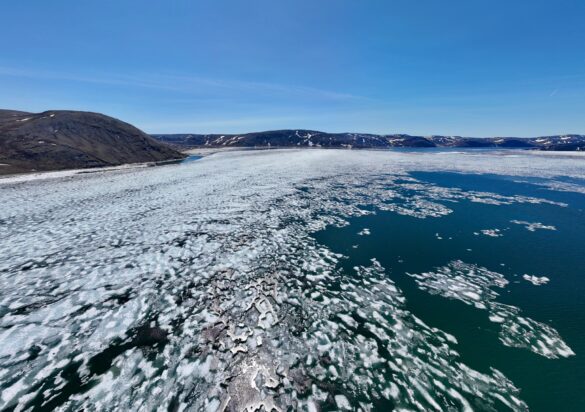
New Canada climate change assessments say global mitigation has fallen short, warming may pass 1.5°C near 2030, and Canada could warm about 5°C by 2100.

Prairie storm insured losses topped $1.8 billion across Alberta, Saskatchewan and Manitoba this summer, with ten events tallied by CatIQ and reported by IBC.
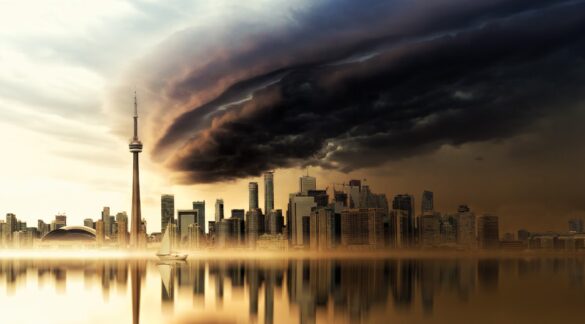
More than two dozen UVic researchers helped write Canada’s Changing Climate Report 2026, the country’s most comprehensive climate assessment to date.

Waterloo researchers say targeted tree selection, not mass planting, can help Canadian forests cope with warmer, drier climates, based on a black spruce study.

Cape Breton flooding left states of emergency in three counties and Port Hawkesbury, with 54 roads still closed, eight bridges damaged and one death reported.