Inside the numbers, the Indigenous equity deal and the pipeline decision that followed Canada's second-largest private investment.
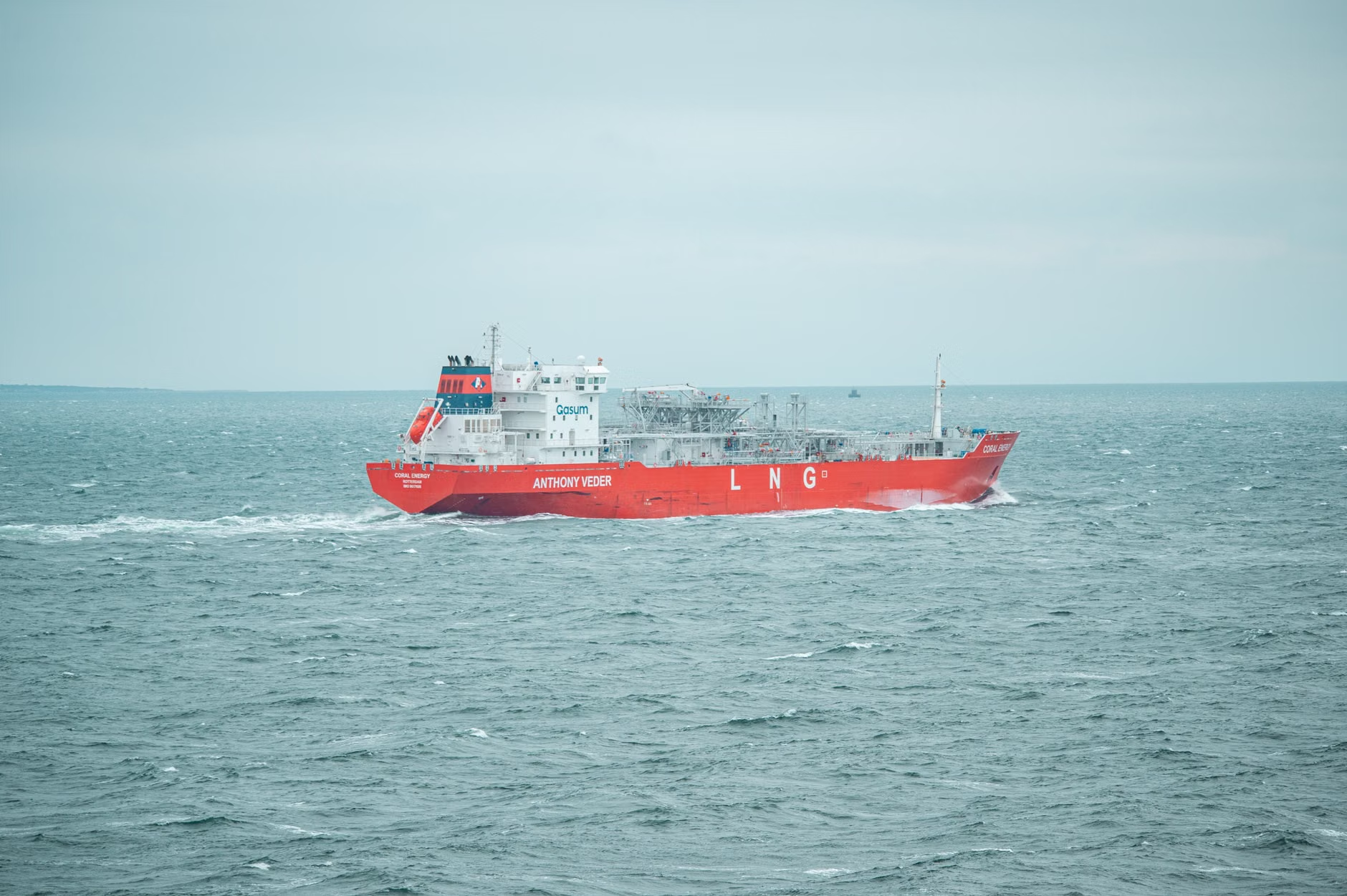
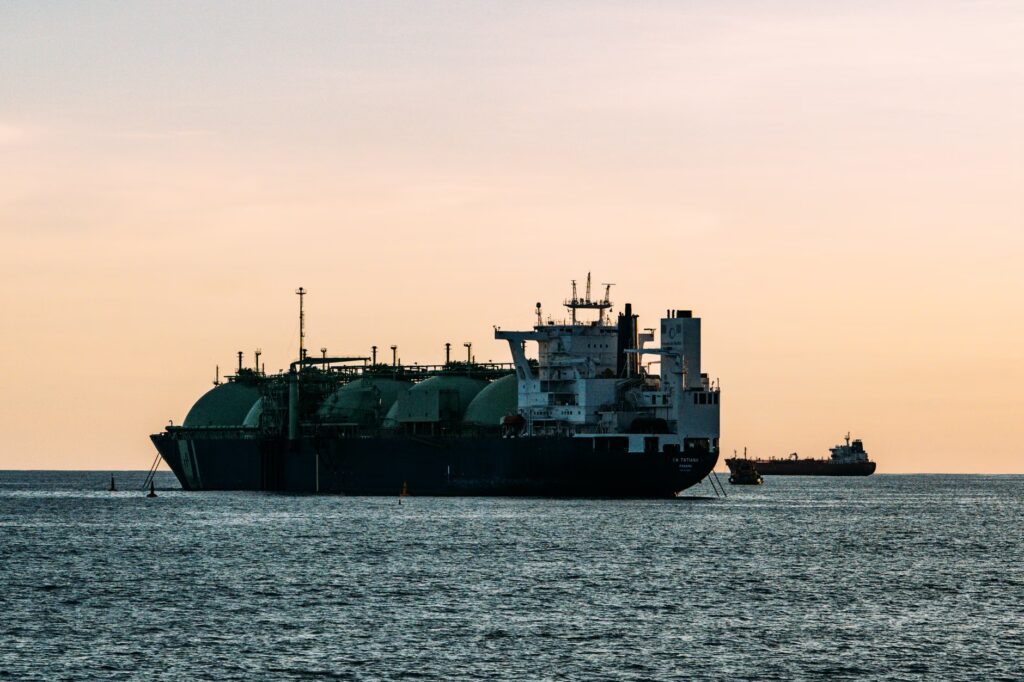
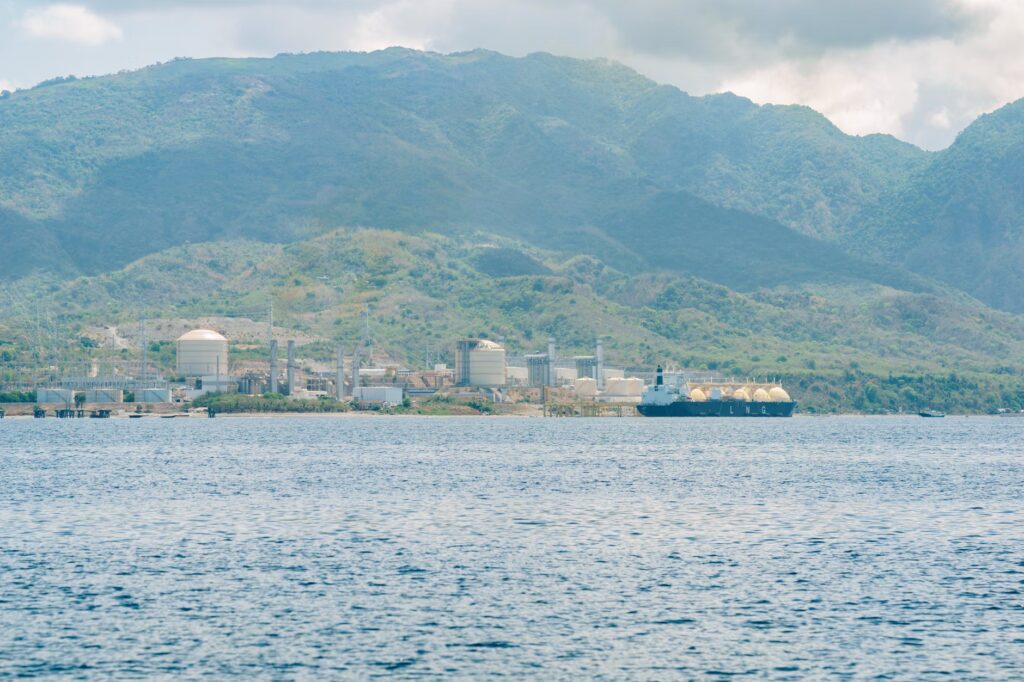
LNG Canada Phase 2 has cleared its final hurdle. On September 29, 2026, in Vancouver, Prime Minister Mark Carney confirmed that the joint venture behind the Kitimat terminal has reached a final investment decision (FID) on its expansion, releasing a $33-billion private sector investment that Ottawa describes as the second-largest single private investment in Canadian history.
The decision doubles the terminal’s export capacity to 28 million tonnes per year and, by the federal government’s measure, will make the Kitimat site the second-largest liquefied natural gas facility of its kind anywhere in the world. A second decision followed immediately: TC Energy confirmed its own FID on Coastal GasLink Phase 2, the pipeline work needed to feed the larger plant.
What the $33-Billion Final Investment Decision Actually Commits To
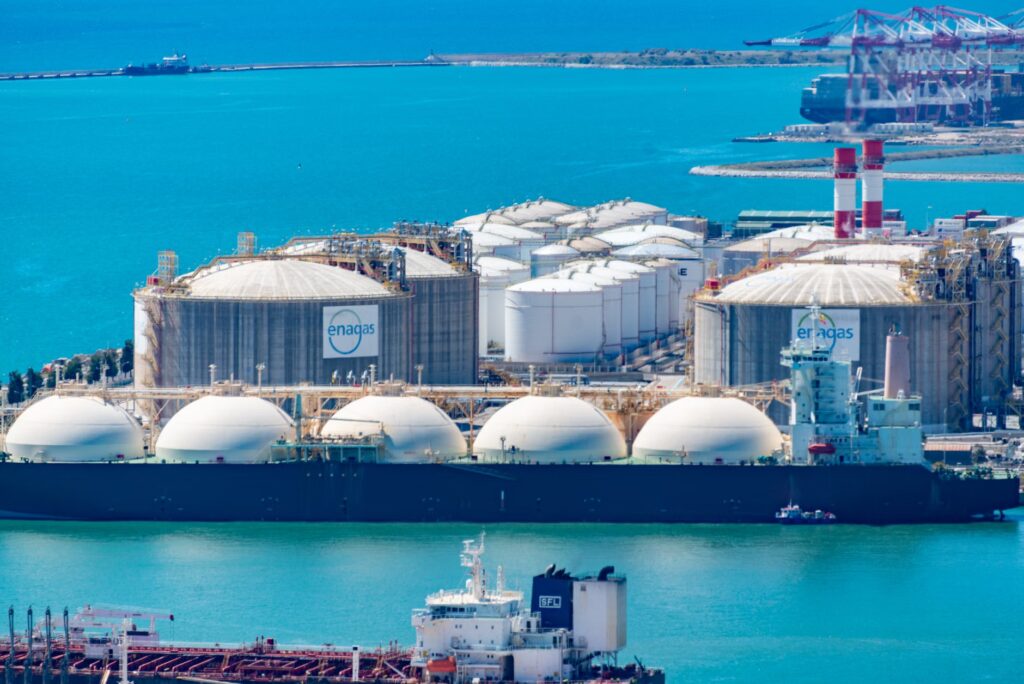
An FID is the point at which partners stop studying a project and start spending on it at scale. In this case, the commitment covers a second liquefaction train complex at Kitimat, a new 225,000-cubic-metre LNG storage tank, and the supporting marine and site infrastructure required to move from 14 to 28 million tonnes of annual capacity.
The federal release puts construction employment at more than 4,000 direct jobs for Phase 2 alone. Contracts and procurement already awarded to First Nations and local businesses across the region total close to $5 billion, with more than $4.9 billion of that flowing specifically to Indigenous-owned and local-area firms.
| Private investment unlocked | $33 billion |
| Terminal capacity after Phase 2 | 28 million tonnes per year (doubled) |
| Direct construction jobs (Phase 2) | More than 4,000 |
| Contracts to Indigenous and local businesses | More than $4.9 billion to date |
| New storage tank | 225,000 cubic metres |
| Indigenous equity option | Up to $1 billion for a majority stake in the tank |
From Major Projects Office Referral to FID in Roughly 12 Months
The timeline is the part Ottawa is keenest to advertise. The expansion was referred to the federal Major Projects Office (MPO) in September 2025, and reached a positive investment decision about a year later — fast by the standards of Canadian energy megaprojects.
The MPO was set up as a single point of contact for projects deemed to be in the national interest, pulling together federal departments, provincial counterparts and proponents to map a clear route through permitting and approvals. The government also points to the Building Canada Strong Act as the legislative vehicle intended to give investors earlier certainty while, it says, holding regulatory standards in place.
Whether that pace becomes the norm is the open question. Phase 2 arrived with an advantage most proposals do not have: an operating Phase 1 next door, an existing pipeline corridor, and a partner group already invested in the site.
The $1-Billion Indigenous Equity Option Held by Five North Coast Nations
The most structurally novel element of the announcement is an equity agreement with MNT Investments LP, which represents the Gitga’at, Gitxaała, Haisla, Kitselas and Kitsumkalum Nations. The agreement gives the five First Nations an option to invest up to $1 billion to acquire a majority ownership stake in the new Phase 2 LNG storage tank.
The deal uses a sale-leaseback structure, which is designed to convert an ownership position into a predictable, long-term revenue stream rather than a one-off payment. The federal description frames the outcome plainly: the participating Nations would become core infrastructure owners on the North Coast, not simply impact-benefit signatories.
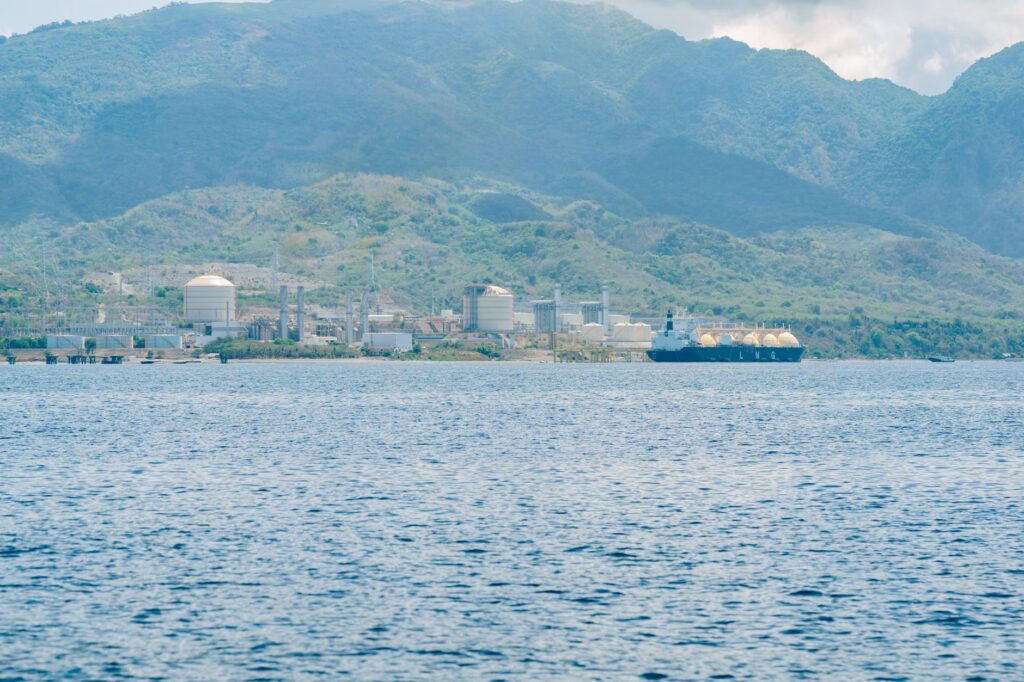
Kitimat itself sits on the traditional territory of the Haisla Nation. The land base, the ice-free harbour and proximity to Western Canadian gas supply are the three reasons the site has been pursued for LNG export for well over a decade.
Why Coastal GasLink Phase 2 Had to Be Approved on the Same Day
A larger terminal is useless without more gas reaching it. TC Energy’s Coastal GasLink Phase 2 decision, welcomed by the Prime Minister as a direct consequence of the LNG Canada FID, will roughly double the existing pipeline’s capacity — not by laying a second line, but by adding compressor stations and upgrading facilities along the existing 670-kilometre route from Dawson Creek to Kitimat.
Construction on the pipeline expansion is scheduled to begin next year and is expected to create more than 2,000 jobs. The build-out is aimed at drawing more value from the Western Canada Sedimentary Basin, one of the largest natural gas resource basins in the world.
Coastal GasLink’s track record is part of the government’s case. Over the life of the project, TC Energy has awarded more than $1.8 billion in contracts to Indigenous and local businesses and invested more than $13 million in communities, non-profits and sponsorships. Phase 1 construction created over 25,000 jobs and proceeded with the support of 20 Indigenous communities along the route.
Who Owns LNG Canada — and What That Means for Export Markets
LNG Canada is a joint venture rather than a single-company project. Shell Canada holds 40 per cent, PETRONAS 25 per cent, PetroChina 15 per cent, Mitsubishi Corporation 15 per cent and KOGAS 5 per cent. Between them, the partners bring upstream gas supply, liquefaction expertise and — critically — established buyer relationships in Asia.
That ownership map is also the trade story. Phase 1 began shipping in June 2025, the first time LNG had been exported from Canada directly to customers rather than routed through American terminals. Phase 2 deepens that channel at a moment when Ottawa is openly pushing to reduce dependence on a single export market, a theme that ran through Foreign Affairs Minister Anita Anand’s strategic autonomy address at the United Nations.
The Emissions Argument Ottawa Is Making
The federal release leans heavily on two climate claims. The first is that greenhouse gas emissions from the Kitimat operation are expected to be lower than those of any similarly sized LNG facility operating today, because liquefaction draws on British Columbia’s largely hydroelectric grid rather than burning gas to power the plant.
The second is the displacement argument: that Canadian LNG sold into Asia replaces coal-fired power generation and therefore supports international climate targets. That reasoning is contested by some analysts, who point to methane leakage across the supply chain and to the multi-decade operating life of export infrastructure. Both figures cited by the government are projections tied to the facility’s own operations, not independently verified lifecycle totals, and readers should treat them as such.
How Carney, LeBlanc and Hodgson Framed the Decision
Carney called the investment proof that “Canada is building big and bold again,” describing a facility built in partnership with Indigenous Peoples and exporting some of the lowest-emitting LNG to new Asian markets. His closing line — that this is what an energy superpower looks like “when it decides to act like one” — set the tone for the government’s messaging.
Dominic LeBlanc, President of the King’s Privy Council and the minister responsible for Canada–U.S. Trade, Intergovernmental Affairs, Internal Trade and One Canadian Economy, credited the Major Projects Office with moving the file efficiently in the year since referral. Energy and Natural Resources Minister Tim Hodgson framed the FID as “a massive vote of confidence in Canada” and a signal that the country can get large projects finished, not merely announced.
What This Means for Investors Watching Canadian Capital Flows
For business readers, the significance is less about gas than about signal. A $33-billion private commitment, backed by five international partners, lands in an economy where capital formation has been sluggish and where the policy conversation has focused on competitiveness, permitting speed and trade diversification.
It also lands in a delicate macro moment. Large, multi-year construction programs in northern B.C. add labour demand and regional wage pressure at a time when the Bank of Canada’s next rate decision is being read as close to a coin flip. Broader demographic and labour-supply trends, including slowing population growth reported by Statistics Canada, will shape how easily the project staffs up through the construction peak.
The near-term dates on the calendar are straightforward: Coastal GasLink Phase 2 construction starts next year, and site work at Kitimat scales alongside it. A specific in-service date for the expanded terminal was not disclosed.
Frequently Asked Questions
What does a final investment decision mean for LNG Canada Phase 2?
It means the joint venture partners have formally committed the capital to build the expansion, moving the project from planning into construction and procurement.
How much LNG will Kitimat be able to export after Phase 2?
Terminal capacity doubles to 28 million tonnes per year, up from the Phase 1 level that began operating in 2025.
Do the five First Nations already own part of the facility?
Not yet. MNT Investments LP, representing the Gitga’at, Gitxaała, Haisla, Kitselas and Kitsumkalum Nations, holds an option to invest up to $1 billion for a majority stake in the new 225,000-cubic-metre storage tank. The release does not specify when that option must be exercised.
Is a second pipeline being built to serve the expansion?
No. Coastal GasLink Phase 2 adds compressor stations and upgrades facilities along the existing 670-kilometre route rather than constructing a new line.
When did Canada first export LNG directly to overseas customers?
June 2025, when LNG Canada Phase 1 began shipping from Kitimat.

The Brand Magazine Newsroom covers Canadian business, markets and policy news for brand builders and entrepreneurs. Newsroom reports are produced from published public sources such as company releases and government and regulator publications, and follow our Editorial Standards.