
As Ontario heads into its 2026 municipal vote, Ottawa's election office brings together past results, by-election and appointment history, office contacts and seasonal job openings in a single public resource.
The City of Ottawa is directing residents to a single public hub for everything connected to the Ottawa municipal election cycle, from archived results to the practical business of reaching election staff. The resource, maintained by the city’s elections office, gathers records of general elections held from 2014 to 2022, alongside by-elections and council appointments made between those votes.
The timing matters. Ontario’s municipalities are in the final stretch toward their 2026 vote, and for many Ottawa residents the city’s own records are the most reliable starting point for understanding how local representation has changed, and how to get answers before casting a ballot.
Three Ottawa General Elections, 2014 to 2022, on the Public Record
At the core of the city’s elections resource is its archive of recent general elections. The page covers the 2014, 2018 and 2022 municipal votes, giving readers a consolidated view of how Ottawa has chosen its mayor, councillors and school board trustees over nearly a decade.
General context: Ontario municipalities elect councils for four-year terms. Over the period the archive covers, Jim Watson won the mayoralty in 2014 and again in 2018, and Mark Sutcliffe was elected mayor in 2022. The 2022 vote was also the first held under a revised ward map that expanded Ottawa’s council to 24 wards.
For general readers, these archives serve a simple purpose. They allow anyone to check who represented a ward, how races unfolded and how the city’s political map has shifted, without relying on scattered news coverage or memory.
By-Elections and Council Appointments Between Votes
Elections are not the only way seats on a municipal council change hands. The city’s resource also records by-elections and appointments, the two mechanisms used to fill vacancies that open up partway through a term.
Vacancies can arise for many reasons, including resignation, a councillor winning office at another level of government, or a death in office. Under Ontario’s municipal rules, councils generally decide whether to hold a by-election or appoint someone to serve out the remainder of the term.
- By-elections: Residents of the affected ward return to the polls to choose a replacement, which preserves a direct democratic mandate but carries a cost and takes time to organise.
- Appointments: Council selects a person to fill the seat, which is faster and cheaper but is sometimes criticised for bypassing voters.
The specific by-elections and appointments listed on the city’s page, including names and dates, are not detailed in the summary material available for this report. Readers who want that history should consult the city’s records directly.
The debate over which route to take is a recurring one in Canadian local politics, and it often surfaces when a vacancy opens late in a term. Keeping these decisions on the public record lets residents see how often each approach has been used in their own city.
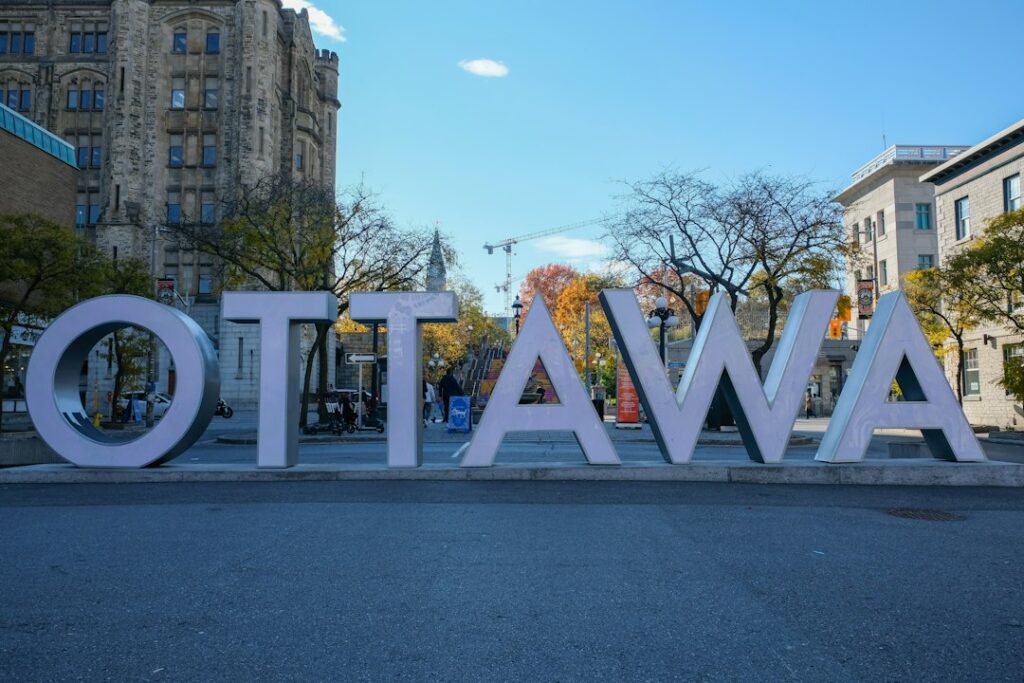
Reaching Ottawa’s Election Office: Contacts, Appointments and Office Hours
Beyond the archives, the elections resource functions as a service desk. It lists contact information for the elections office, sets out office hours and offers the option to book an appointment with staff.
That appointment-based approach reflects how many Canadian municipalities now run their election administration. Rather than expecting walk-in visits, offices increasingly schedule time with candidates, third-party advertisers, voters with accessibility needs and members of the public who have detailed questions.
The specific office hours, phone numbers and booking procedures are not reproduced here, as they can change during an active election period. Residents should confirm current details directly with the city before visiting.
Election Jobs: Why Ottawa Recruits Residents to Run the Vote
The city’s elections page also points to job opportunities. Municipal elections depend heavily on temporary workers who staff voting places, help voters with procedures, count ballots and handle logistics on advance-voting days and election day itself.
Details such as the number of positions, pay rates, eligibility criteria and application deadlines are not specified in the material reviewed for this story.
General context: Across Canada, election agencies at all three levels of government have reported difficulty recruiting enough poll staff in recent cycles, particularly in large cities. Seasonal election work has traditionally drawn retirees, students and residents looking for short-term income, and municipalities have broadened outreach to widen that pool. For readers weighing a short stint of civic work, it is one of the more accessible ways to see how local democracy operates from the inside, much as growing businesses shape the communities around them, a theme explored in our look at who grows alongside a city’s builders.
Ontario’s 2026 Municipal Vote and Where Ottawa Fits
General context: Ontario’s Municipal Elections Act sets regular municipal election day as the fourth Monday in October, which places the 2026 vote on Monday, October 26. Ottawa will be one of hundreds of Ontario municipalities electing councils and school board trustees on the same cycle.
Ottawa’s position as the national capital gives its local races a profile that extends beyond city limits. Municipal decisions on transit, housing approvals, policing budgets and downtown revitalisation shape the daily experience of federal public servants, diplomats and the businesses that serve them.

Municipal votes in Canada typically draw far lower turnout than federal or provincial elections. That makes accessible, well-organised public information, such as past results and clear contact routes to election staff, more than an administrative nicety. It is part of how cities try to lower the barriers to participation.
What the Ottawa Municipal Election Records Mean for Voters
For residents, the practical value of the city’s elections hub comes down to three things: context, access and participation.
- Context: Archived results help voters understand who has held their ward seat, how competitive past races were and how ward boundaries have changed.
- Access: Published contact details, office hours and appointment booking give residents a direct line to the people administering the vote.
- Participation: Job listings open a route for residents to take part in running the election, not just voting in it.
For readers following Canadian politics more broadly, municipal contests are often overshadowed by higher-profile campaigns, from national leadership races to provincial flashpoints such as the debate covered in our report on Carney and Smith’s joint unity pitch in Red Deer. Yet councils make many of the decisions residents feel most directly, from road repairs to zoning on their own street.
What Is Not Yet Confirmed
The material available for this report does not include candidate lists for 2026, specific by-election dates, staffing numbers or exact results figures from past elections. Brand Magazine has not reproduced those details rather than risk publishing outdated or inaccurate information.
Election logistics, including voting locations, advance-voting days and identification rules, are set and updated by the city. Voters should verify all dates and procedures with the City of Ottawa’s elections office before heading to the polls.
Frequently Asked Questions
Which past Ottawa elections are covered in the city’s records?
The city’s elections resource covers general elections from 2014 to 2022, along with by-elections and appointments.
When is Ontario’s 2026 municipal election day?
Under provincial rules setting the vote on the fourth Monday in October, election day falls on October 26, 2026. Residents should confirm voting details with the city.
Can residents meet with Ottawa election staff in person?
The city offers the option to book an appointment and publishes office hours and contact information; specific times are not specified here.
Is Ottawa hiring election workers?
The city’s elections page references job opportunities, but positions, pay and deadlines are not specified in the material reviewed.

The Brand Magazine Newsroom covers Canadian business, markets and policy news for brand builders and entrepreneurs. Newsroom reports are produced from published public sources such as company releases and government and regulator publications, and follow our Editorial Standards.