


Inside the numbers, the resignation that triggered the vote, and why Alberta's Oct. 19 separation question shadowed every day of the campaign.
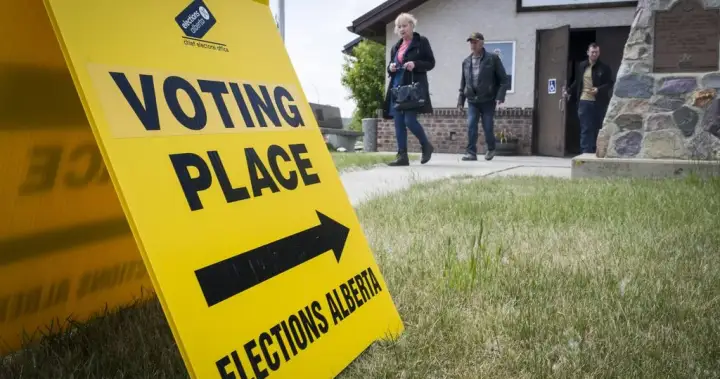
The Calgary-Shaw byelection has handed Naheed Nenshi’s Alberta NDP a seat the party has almost never held, with the Opposition declaring victory Monday in a south Calgary riding that has voted Conservative for nearly its entire existence. Unofficial results released late on Sept. 15, 2026 showed NDP candidate Kyle Campbell ahead of Mike Derry of Premier Danielle Smith’s governing United Conservative Party by fewer than 600 votes.
The timing is what gives the result its weight. Albertans go to the polls province-wide on Oct. 19 to decide whether to remain in Canada or hold a second, binding referendum on leaving it — a question Nenshi pushed to the centre of the Calgary-Shaw campaign.
How the Calgary-Shaw Byelection Vote Broke Down
Five candidates appeared on the ballot. As of late Monday, with results still unofficial, the standings were as follows.
| Candidate | Party | Votes (unofficial) |
|---|---|---|
| Kyle Campbell | Alberta NDP | 7,461 |
| Mike Derry | United Conservative Party | 6,879 |
| Kyle Joseph | Progressive Tory | 978 |
| John Roggeveen | Liberal | 602 |
| Rolly Ashdown | Independent | 82 |
The gap between the top two candidates — 582 votes — is smaller than the combined total picked up by the third- and fourth-place finishers, which is why the result was read on both sides as a story about how the conservative vote divided as much as about NDP momentum.

A Watch Party, a Queen Singalong, and Campbell’s “Canada Forever” Line
Campbell’s win was met with cheers, applause and chants of “NDP, NDP” at the constituency watch party, where supporters broke into Queen’s “We Are The Champions.”
“This opportunity is a chance to live what I believe in my heart, which is that leadership is about service,” Campbell told the room, thanking supporters twice before closing with a line aimed squarely at the coming referendum vote: “Let’s do it for Alberta. We’re in Canada forever.”
That framing was deliberate. Throughout the campaign, Nenshi argued that voters should use the byelection to signal they do not want a government he described as catering to separatists — turning a single suburban contest into a proxy fight over Alberta’s place in the federation.

Why Calgary-Shaw Was Supposed to Be Safe UCP Territory
Calgary-Shaw was created in 1986 and has voted Conservative for almost all of the four decades since. The NDP has taken the riding only once before: in 2015, during the “orange wave” that carried Rachel Notley into the premier’s office.
That history is the reason Monday’s outcome registered beyond the constituency boundary. Ridings in south Calgary have long been part of the electoral base that decides who governs Alberta, and a loss there is harder for a governing party to explain away as local noise. Suburban Calgary seats have swung before — and when they have swung together, the province has changed government.
The Vacancy Rebecca Schulz Left Behind
The byelection was triggered by the May resignation of former UCP cabinet minister Rebecca Schulz, who served as environment minister from 2023 to the end of 2025 and is now an executive at a major oil and gas producer in Alberta.

Her departure opened a seat the UCP would ordinarily expect to defend comfortably, and left the party running a first-time byelection candidate in Derry against a well-organised NDP ground effort. Byelections are also, by nature, low-turnout affairs in which motivated voters carry disproportionate weight — a dynamic that has cut against incumbent governments in several recent Canadian provincial contests.
What Danielle Smith Said After the Loss
Smith congratulated Campbell in a social media post on Monday and said her government would work with him to meet the needs of his constituency. The premier also thanked Derry for his work over the course of the campaign.
“Our UCP government will continue to work every day to grow our province’s economy, strengthen our core social services and build a stronger Alberta,” the post said.

Notably, the statement did not address the separation question that Nenshi had spent the campaign attaching to the UCP, nor did it characterise the result as a verdict on the government’s record.
The Oct. 19 Vote That Frames Everything
Alberta is scheduled to vote on Oct. 19 on whether to stay in Canada or proceed to a second, binding referendum on quitting the country. That makes the Calgary-Shaw byelection the last province-wide-watched electoral test before the question goes to all Albertans.
For readers outside the province, the stakes extend well past Alberta’s borders. Questions about the province’s constitutional status intersect with energy policy, interprovincial fiscal arrangements and the federal government’s negotiating position abroad — the same terrain covered in our reporting on how Ottawa has drawn its red lines in Canada–U.S. trade talks. Political uncertainty in a major energy-producing province rarely stays confined to provincial politics.

It is also the second byelection story of the season with national resonance, following the five-candidate ballot set in Abbotsford-Mission — another contest where a crowded field on one side of the spectrum shaped the arithmetic.
Elections Alberta Sets the Official Count for Sept. 24
Elections Alberta says the official count is scheduled for Sept. 24. Until that count is completed, the totals reported Monday remain unofficial, and in a race decided by 582 votes the official tabulation is the figure of record rather than a formality.
Readers should treat the vote totals above as preliminary. Margins can shift modestly during official counts as outstanding and special ballots are processed.
What One Byelection Does — and Does Not — Change
As general political context: a byelection fills a single vacant seat and does not alter which party holds government. Smith’s UCP remains in office, and Campbell joins the legislature as an Opposition member representing one constituency.
What byelections do provide is data. Parties, pollsters and organisers read them for three things in particular:
- Swing direction: whether a riding moved toward or away from the governing party compared with the last general election.
- Vote efficiency: whether a divided field on one side allowed a plurality winner, as the third- and fourth-place totals in Calgary-Shaw raise as a question.
- Turnout composition: which side’s supporters were motivated enough to show up for a mid-term contest.
On all three measures, Calgary-Shaw gives the NDP a talking point four weeks before a province-wide vote, and gives the UCP a result to diagnose. Whether the pattern repeats on Oct. 19 — a very different ballot question, with a very different electorate turning out — is the open question both parties will now spend their time arguing about.


