A new review argues that small local exhibitions, led by an artist who draws with her own breath, offer a quieter kind of repair than the news cycle allows.
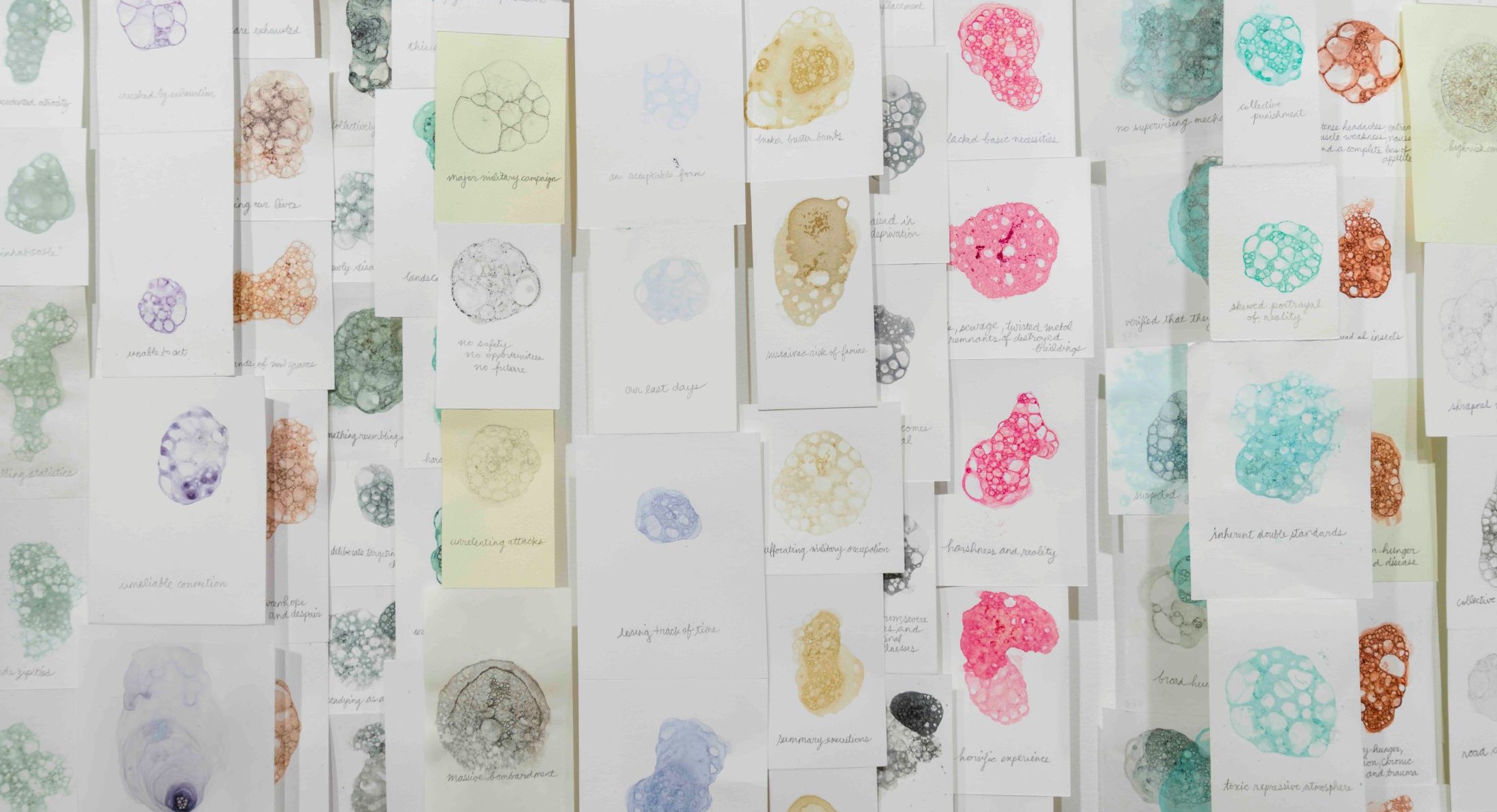
Elizabeth MacKenzie bubble drawings, works produced through the simple act of breathing, sit at the centre of a new arts review published November 13, 2026. The review makes the case that Canada’s local exhibitions can do something the daily news rarely does: slow readers down, restore a sense of calm and remind them that other worlds exist beyond the headlines.
The argument arrives as the autumn exhibition season is underway. It pairs MacKenzie’s long-running project with work connected to two other Canadian figures, artist Jana Sterbak and the late composer Martin Bartlett. Together, the review presents them as reasons to step into a nearby gallery rather than scroll past one.
What Sets the Elizabeth MacKenzie Bubble Drawings Apart
According to the review, MacKenzie spent several years making the series. Each drawing is generated by breath, so the marks record a physical rhythm as much as a visual idea.
The reviewer calls the drawings exquisite and singles out their delicacy. That fragility is part of the point. A work made by exhaling carries the trace of a body at a particular moment, and no two breaths leave the same impression.
Images connected to the presentation are labelled with the words “Cleave” and “Resist,” which appear to be tied to the exhibition’s title. The venue, run dates and admission details were not specified in the material available to Brand Magazine.
Why a Dense Hanging Rewards Slowing Down
The drawings are not spaced out in a neat single row. Instead, they are layered in a dense hanging, an installation choice the review says invites closer inspection.
General context: curators often use dense, salon-style or layered hangs to change how visitors move through a room. Rather than glancing at one framed piece and walking on, viewers tend to lean in, compare neighbouring works and notice small differences. With work as delicate as breath-made marks, that closeness is where the detail lives.
For readers who mostly encounter art through a phone screen, this is the practical takeaway. A dense hanging of fragile drawings is the kind of experience that does not translate well to a thumbnail. It asks for physical presence and a few unhurried minutes.
Jana Sterbak’s Distraction and the Pull of the Body
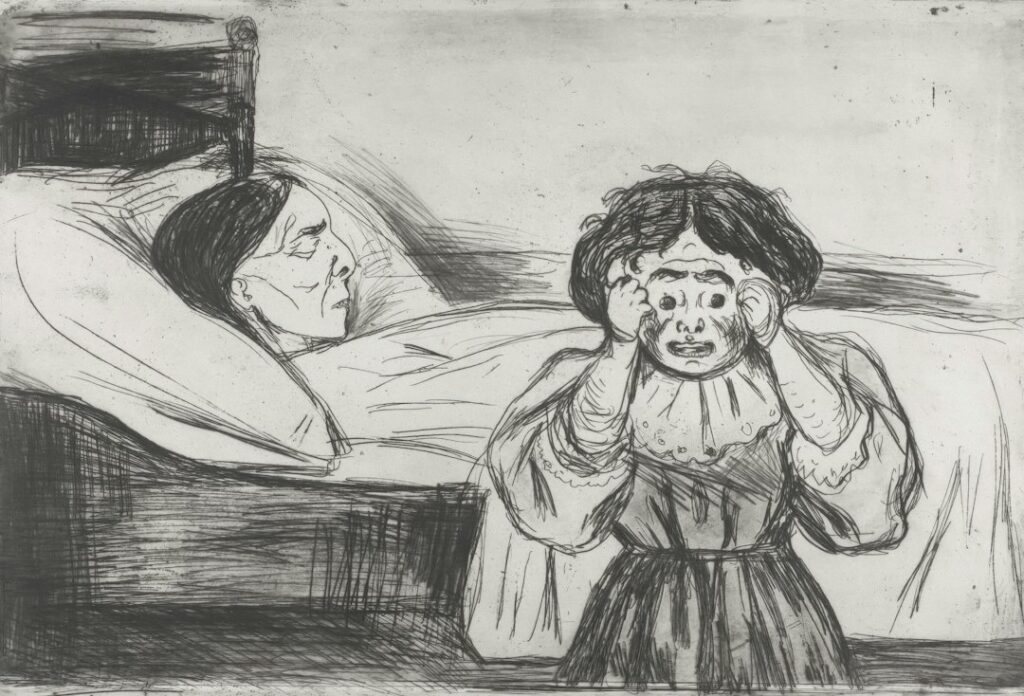
The review also draws on a work by Jana Sterbak identified as Distraction. Details of where it is being shown and how it is presented were not specified.
General context: Sterbak, a Czech-born artist long based in Montreal, is among Canada’s most internationally recognised contemporary artists. Her practice frequently deals with the body, constraint and vulnerability. Her 1987 work Vanitas: Flesh Dress for an Albino Anorectic, made from raw flank steak, prompted national debate when it was shown at the National Gallery of Canada in 1991.
Placed next to MacKenzie’s breath drawings, Sterbak’s presence suggests a thread running through the review. Both artists treat the human body not just as a subject but as a material, something that leaves marks, decays, resists and changes.
Martin Bartlett and the Sound of Another Era
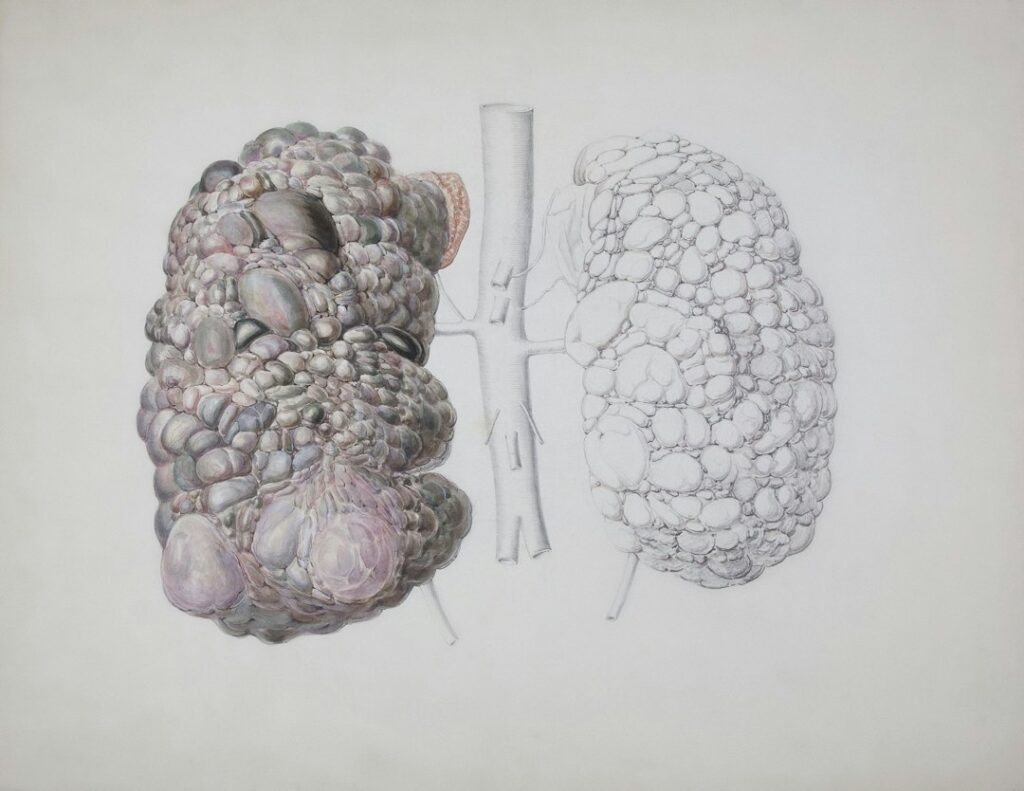
Work connected to Martin Bartlett also appears among the review’s featured images, linked with a gallery or museum setting. The specific exhibition, venue and dates were not specified.
General context: Bartlett, who died in 1993, was a Vancouver composer and an early figure in live electronic and computer music in Canada. He was associated with the city’s artist-run culture, a scene that helped shape experimental art on the West Coast from the 1970s onward.
Including Bartlett widens the review’s frame beyond visual art. Sound, technology and performance from an earlier generation become part of the same argument: that local institutions keep alive ways of thinking and making that might otherwise slip out of public memory.
Local Galleries as a Reminder of Other Worlds
The central idea of the piece is captured in its framing: local exhibitions can heal the soul and act as a reminder of other worlds. The phrase works on two levels.
- Inner worlds: work like MacKenzie’s turns something as private as breathing into a visible record, inviting viewers to notice their own pace and attention.
- Past worlds: showing an artist such as Bartlett reconnects audiences with earlier creative communities and the questions they were asking.
- Nearby worlds: smaller public and regional galleries often present artists who will never headline a major museum but who shape their communities’ cultural life.
For a general audience, the appeal is accessible. Many Canadian public and regional galleries are modest in size, can be visited in under an hour and frequently offer free or low-cost admission. Visitors should confirm current hours and fees directly with any venue, since those details were not provided in the review.
What the Museum Prescription Idea Says About Art and Well-Being
The suggestion that art can heal is not only a poetic one. General context: in 2018, the Montreal Museum of Fine Arts partnered with Médecins francophones du Canada on a program allowing participating physicians to prescribe museum visits to some patients. The initiative drew international attention and has since inspired similar conversations elsewhere.
Arts organisations and health researchers in several countries have explored how cultural participation relates to stress, loneliness and mood. The findings are encouraging but varied, and gallery visits are generally discussed as a complement to care, not a replacement for it.
That context helps explain why a review focused on breath and delicacy lands at this moment. After a busy year of political, economic and trade news, an invitation to look closely at something quiet carries its own kind of relief.
What the Review Confirms and What It Leaves Open
Because the details available about these exhibitions are limited, readers planning a visit should separate what is known from what still needs checking.
| Detail | Status |
|---|---|
| Review publication date | November 13, 2026 |
| Featured artist | Elizabeth MacKenzie |
| Nature of MacKenzie’s work | Bubble drawings created through breathing, made over several years |
| Installation style | Layered in a dense hanging that invites close viewing |
| Exhibition title | Not confirmed; materials reference “Cleave” and “Resist” |
| Other artists referenced | Jana Sterbak (Distraction) and Martin Bartlett |
| Venues and cities | Not specified |
| Run dates and closing dates | Not specified |
| Admission fees | Not specified |
The exhibition titles, venues and dates above could not be fully confirmed from the information available, so readers should verify them with the galleries before travelling.
What is clear is the review’s core message. In a season dominated by elections, trade talks and interest-rate forecasts, a set of fragile drawings made one breath at a time is being offered as a reason to visit a local gallery, look closely and leave a little steadier than you arrived.

The Brand Magazine Newsroom covers Canadian business, markets and policy news for brand builders and entrepreneurs. Newsroom reports are produced from published public sources such as company releases and government and regulator publications, and follow our Editorial Standards.