
A plain-language read on what Ottawa actually announced about the second Pathways to Peace conference, what the backgrounder covers, and which details remain unstated.
Canada, Ukraine and Norway have concluded the second international Pathways to Peace conference, a joint diplomatic effort centred on the return of Ukrainian children, detained civilians and prisoners of war. Global Affairs Canada published the closing announcement on 1 October 2026, together with a backgrounder document setting out further detail on the initiative.
The same department newsroom confirmed on the same day that Parliamentary Secretary Mona Fortier would travel to Washington, D.C. The two items, released hours apart, offer a snapshot of a foreign ministry working two tracks at once: a multilateral humanitarian file tied to the war in Ukraine, and the continuing bilateral management of the Canada-United States relationship.
What the Second Pathways to Peace Conference Was Convened Around
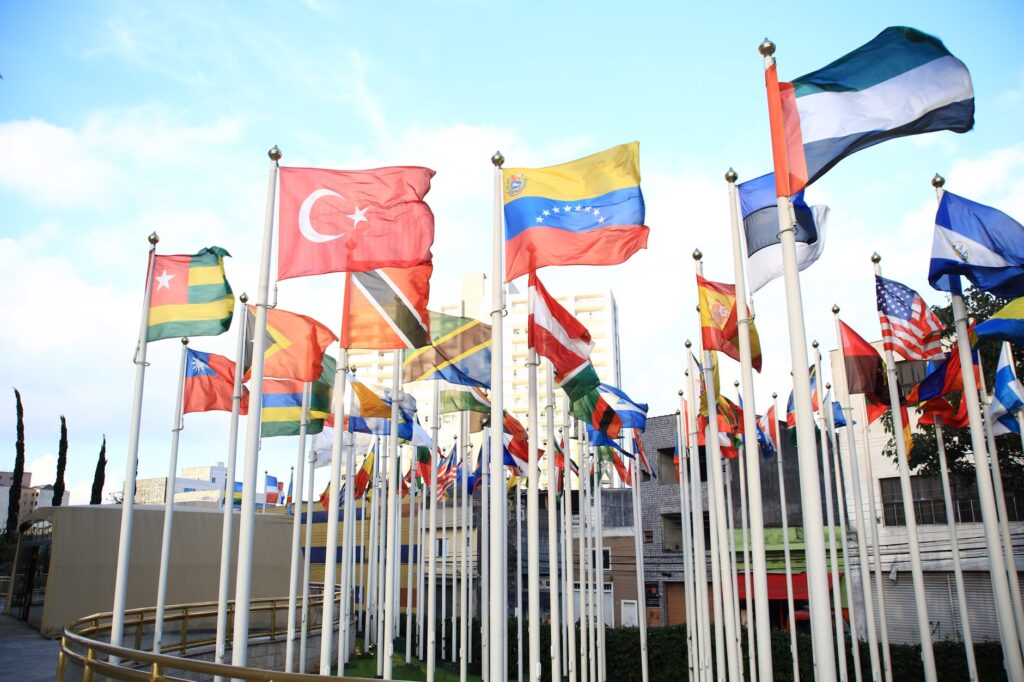
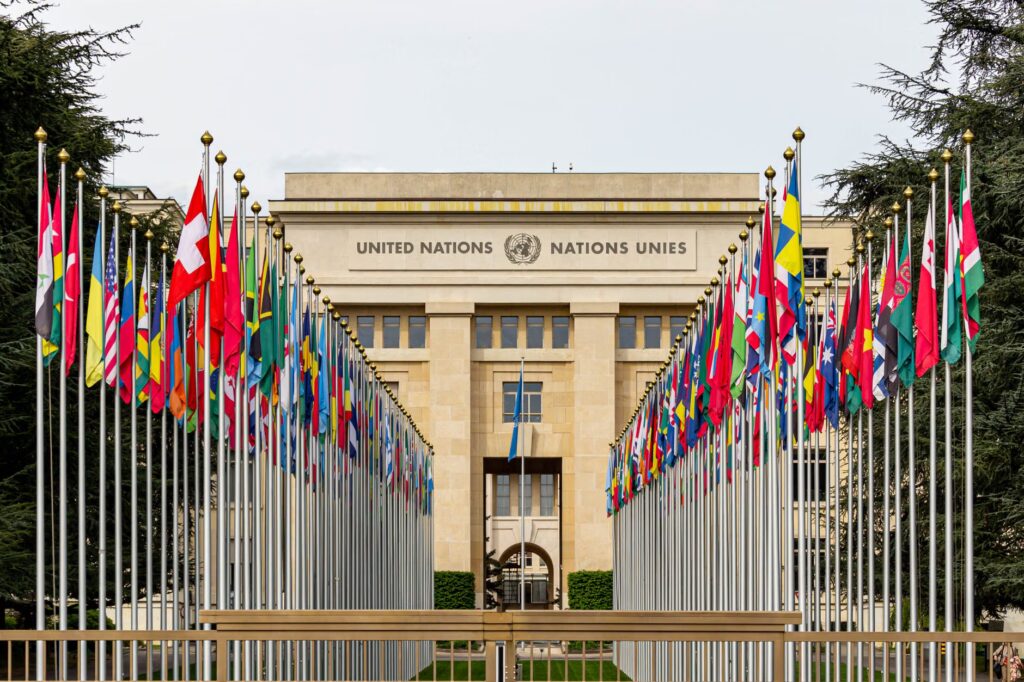
The conference is described as an international gathering co-held by Canada, Ukraine and Norway, and this edition is identified as the second in the series. Its stated focus is narrow and specific: the return of three categories of people affected by the war — children, civilians held in detention, and prisoners of war.
That framing matters. Rather than a broad peace-negotiation forum covering territory, ceasefire terms or reconstruction financing, this is a humanitarian-return track. The declared subject matter is the physical return of individuals, which in diplomatic practice tends to involve identification, verification, legal process, third-party facilitation and the handling of family reunification.
Global Affairs Canada did not publish, in the material reviewed, the host city, the full participant list, the number of states represented, or any figures on returns achieved. Those details are not specified in the information available, and readers should treat any circulating numbers as unverified until the department’s own backgrounder is consulted directly.
The Three Groups at the Centre of the Return File
The announcement names three distinct populations, each of which sits under different parts of international humanitarian law. They are worth separating, because they are not interchangeable:
- Ukrainian children: The return of children separated from families or removed from their communities during the conflict, which generally raises questions of identification, guardianship and reunification.
- Detained civilians: Non-combatants held in detention, a category treated separately from military captives under the laws of armed conflict.
- Prisoners of war: Captured military personnel, whose treatment and eventual release are governed by long-established conventions and typically handled through exchange mechanisms.
Grouping all three under a single conference agenda is a practical choice as much as a legal one. The same intermediaries, verification systems and diplomatic channels are often involved, even though the legal routes for each group differ.
Why a Canada-Ukraine-Norway Format Rather Than a Larger Forum
General diplomatic context, not a departmental statement: small co-hosting coalitions of this kind are a common feature of modern conference diplomacy. A compact group of sponsoring states can convene faster than a full multilateral institution, keep an agenda tightly scoped, and avoid the procedural bottlenecks that slow larger bodies.
Canada and Norway are both long-standing contributors to humanitarian and peace-and-security assistance, and Ukraine’s participation as co-host places the affected state at the centre of a file about its own nationals. The repeat format — this being the second such conference — also signals an attempt to build continuity rather than stage a one-off event.
What the published material does not establish is whether the conference produced a formal communiqué, a declaration open to additional signatories, or a working mechanism with a secretariat. Those outcomes are not mentioned in the source information.
The Backgrounder Released Alongside the Closing Statement
Government departments typically pair a news release with a backgrounder when the underlying subject requires more explanation than a short announcement allows — participant lists, commitments, funding lines, or technical definitions. Global Affairs Canada confirmed that such a backgrounder accompanied this announcement on 1 October 2026.
For readers tracking the file closely, the backgrounder is the document that would carry any operational specifics. The summary material reviewed here does not reproduce its contents, so the most reliable route for precise commitments is the department’s own published version.
| Confirmed | Not specified in available material |
| Second edition of the conference concluded | Host city and venue |
| Co-hosts: Canada, Ukraine, Norway | Number of participating states |
| Focus: children, detained civilians, prisoners of war | Returns achieved or pledged |
| Announcement and backgrounder published 1 October 2026 | Funding commitments |
| Separate Fortier travel announcement same day | Date or host of a third conference |
Mona Fortier’s Washington Trip, Announced the Same Day
Global Affairs Canada also announced that Parliamentary Secretary Mona Fortier would travel to Washington, D.C. The purpose of the visit, the officials she was scheduled to meet and the duration of the trip are not specified in the material reviewed.
Even without those particulars, the timing is instructive. Parliamentary secretaries routinely carry part of a minister’s engagement load, and Washington remains the single most resource-intensive relationship in Canada’s diplomatic portfolio — trade, border management, security cooperation and energy files all run through it.
Where This Sits in the Anand Foreign Affairs Portfolio
The file falls under Foreign Affairs Minister Anita Anand, with the department’s broader economic mandate split across Minister of International Trade Maninder Sidhu and Secretary of State for International Development Randeep Sarai. Dominic LeBlanc holds responsibility for Canada-U.S. Trade, Intergovernmental Affairs and One Canadian Economy, alongside his role as President of the King’s Privy Council for Canada.
That division of labour explains how two unrelated announcements can land on the same day. It also fits the thematic emphasis visible in the strategic autonomy argument Anand set out in her United Nations address, where Canadian foreign policy was framed around acting through partnerships rather than relying on any single relationship.
Global Affairs Canada describes its own mandate as managing diplomatic relations, promoting international trade, providing consular assistance and leading international development, humanitarian, and peace and security assistance. A humanitarian-return conference sits squarely inside the last of those lines.
Why the Return File Matters to Canadian Readers
Canada hosts one of the largest Ukrainian diaspora communities outside Europe, which gives files like this an unusually direct domestic constituency. Announcements about detained civilians and family reunification are followed closely by community organisations and by families with relatives still unaccounted for.
There is a second, less personal reason to track it. Humanitarian-return mechanisms are among the few channels that continue operating between parties to an active conflict, and their survival is often read as an indicator of whether broader diplomatic contact remains viable.
The file also sits within a wider Canadian diplomatic docket that has grown more complex in recent years, spanning everything from multilateral security work to cross-border law enforcement matters such as the international reward case connected to the Nijjar killing. Each demands different instruments, and each competes for the same finite departmental capacity.
What Has Not Been Announced
No date, host country or agenda for a third Pathways to Peace conference has been published in the material reviewed. Nor has the department indicated whether the current format will become a standing mechanism or remain a periodic convening.
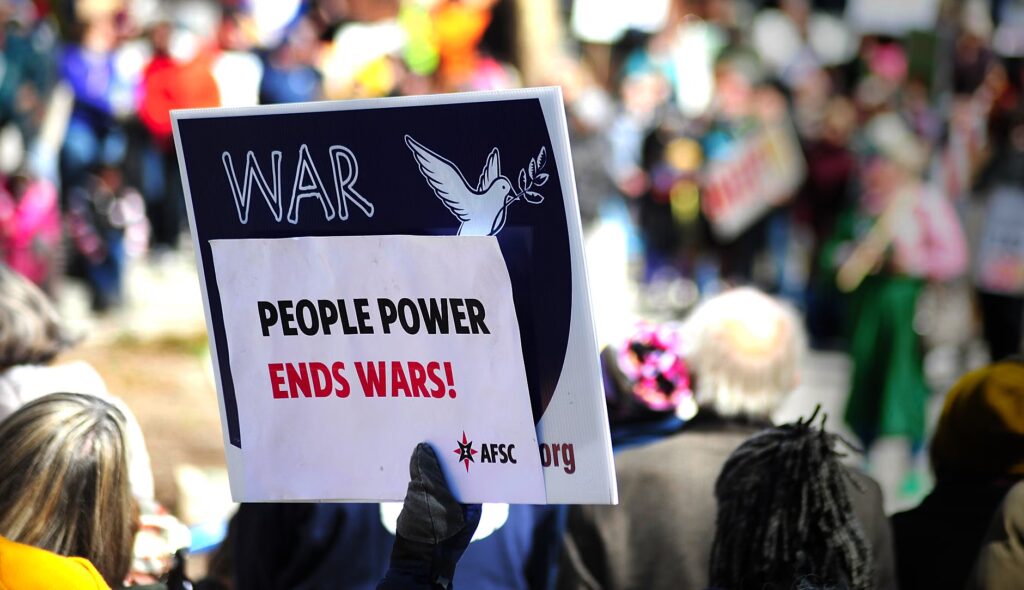
Until the backgrounder’s contents are confirmed in full, the responsible summary is this: a second co-hosted conference on returning Ukrainian children, detained civilians and prisoners of war has concluded, Canada was one of three co-hosts, and the supporting documentation was issued on 1 October 2026.
Frequently Asked Questions
Who co-hosted the Pathways to Peace conference?
Canada, Ukraine and Norway, according to the Global Affairs Canada announcement published on 1 October 2026.
Where was the conference held?
The host city and venue are not specified in the available material.
How many children, civilians or prisoners of war were returned?
No figures were published in the information reviewed. Any numbers circulating elsewhere should be treated as unverified until confirmed against the department’s own backgrounder.
Was the Washington trip connected to the conference?
There is no indication that the two are linked. Parliamentary Secretary Mona Fortier’s travel to Washington, D.C. was announced separately on the same day, and its purpose is not specified.
Is a third conference scheduled?
Not mentioned. No further edition, date or host has been announced.

The Brand Magazine Newsroom covers Canadian business, markets and policy news for brand builders and entrepreneurs. Newsroom reports are produced from published public sources such as company releases and government and regulator publications, and follow our Editorial Standards.