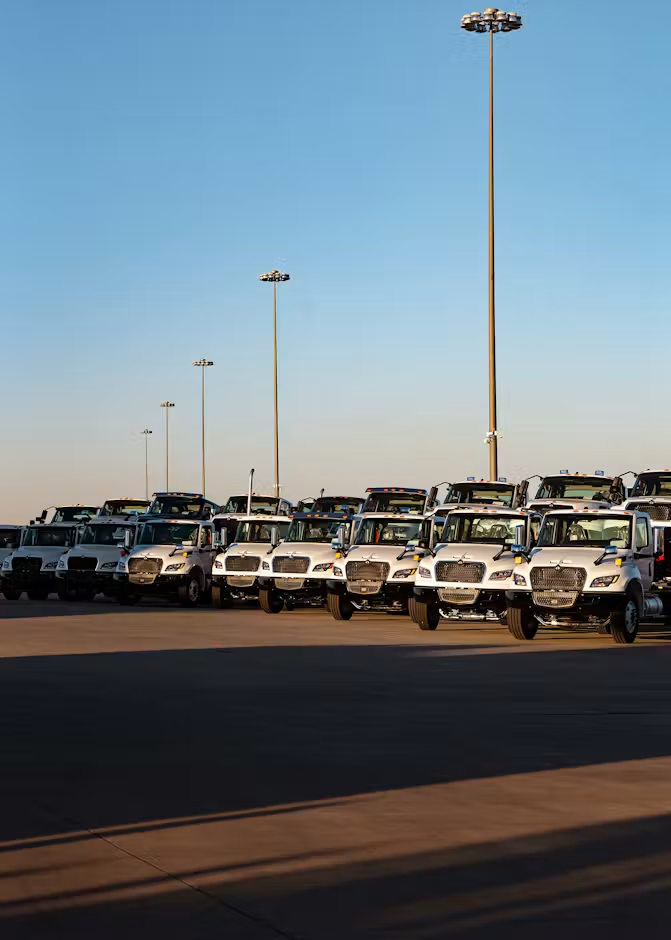
A close look at how International now organizes its North American trucks, what the electric eMV signals, and what Canadian fleet buyers can and cannot learn from the company's own catalogue.
The International truck lineup now runs to seven distinct series, grouped into medium-, heavy- and severe-duty classes and including a battery-electric delivery model. The company’s current catalogue sets out how a manufacturer serving both sides of the Canada-U.S. border is pitching its trucks to fleets that move freight, build roads, collect waste and keep municipal services running.
The presentation, reviewed by Brand Magazine in October 2026, leans hard on durability and driver focus. It also pushes buyers toward an online configurator that lets them spec every model down to paint and interior. What it does not include are prices, payload ratings or Canada-specific delivery timelines, and those gaps matter to anyone weighing a purchase.
Seven Series Across Three Duty Classes
International sorts its trucks by the kind of work they do rather than by size alone. Each class carries its own marketing promise, and every series is tied to a configurator so buyers can build a spec online before visiting a dealer.
| Duty class | Series | How International positions it |
|---|---|---|
| Medium duty | MV, eMV, CV | The toughness and handling of larger classes, with easier manoeuvring in tight spaces |
| Heavy duty | LT, RH | Performance and endurance for life on the road, on long or short runs |
| Severe duty | HX, HV | Rugged, reliable trucks built for demanding jobs |
The company frames the whole range with a confident tagline: it has never met a job it did not like. Behind that slogan is a practical message for fleet managers. International wants buyers to see one family of trucks that can cover a whole operation, from urban box deliveries to gravel pits.
Medium-Duty MV, eMV and CV: Built Around Uptime
The medium-duty section is where International makes its most detailed engineering claims. The company says durability shapes every decision from concept to production. It points to commercial-grade components, assemblies and finishes that it says cut wear and maintenance.
The stated payoff is twofold: more uptime, and a longer working life for each truck. For fleet operators, uptime is often the number that decides whether a truck earns its keep, because a vehicle sitting in a service bay is not making deliveries.
- MV series: Shown in the company’s imagery as a box truck, the kind commonly used for local and regional delivery.
- eMV series: The electric member of the medium-duty family, sitting alongside its diesel counterparts rather than in a separate catalogue.
- CV series: Pictured as a landscape dump truck, pointing to trades and light construction work.
Specific engines, ranges, payloads and pricing for these models are not mentioned in the lineup overview.
What the Electric eMV Signals for Canadian Fleets
Placing the eMV directly beside the MV and CV is a quiet but telling choice. It treats electric power as one more option inside a familiar truck family, not as an experiment. The company’s wider services also list fleet electrification support and a charging offering called Fleet Charge.
General industry context: Medium-duty delivery trucks are widely seen as one of the first commercial segments where battery-electric vehicles make practical sense, because routes tend to be predictable and trucks return to a depot each night for charging. That is the type of operation the eMV appears aimed at.
The broader stakes for Canada are large. A recent analysis covered by Brand Magazine found that electrifying Canada could add $3 trillion to the economy by 2050, and commercial transport is one of the sectors any such shift would have to reach. Whether electric trucks catch on with Canadian fleets will depend on cold-weather performance, charging infrastructure and cost, none of which the company’s overview addresses in detail.
Heavy-Duty LT and RH: Long Haul and Regional Work
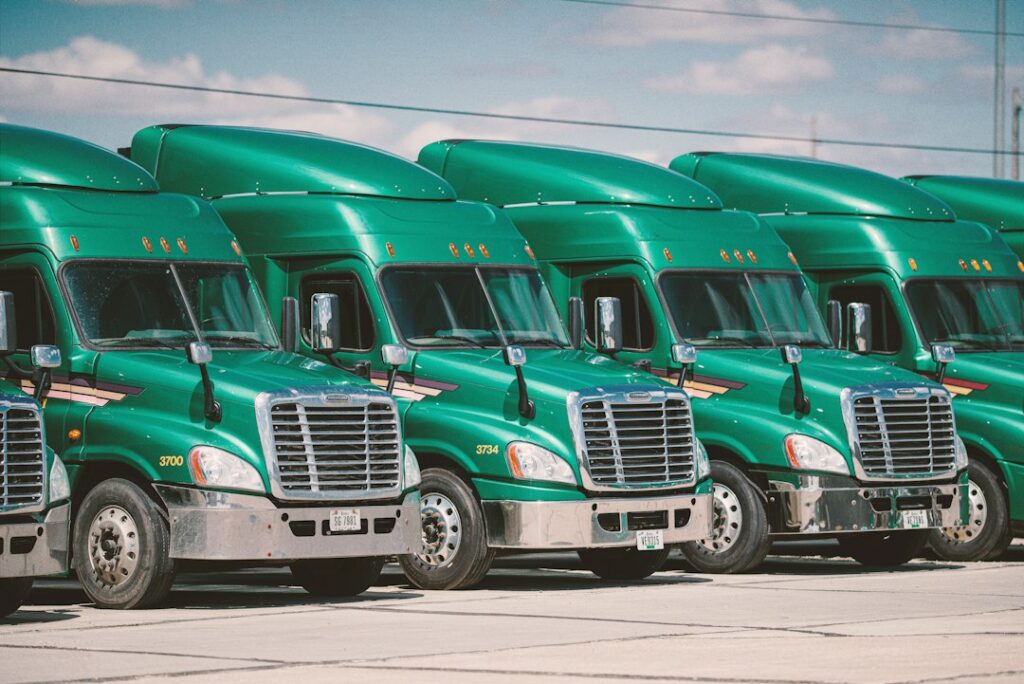
International describes its heavy-duty trucks as built for life on the road, whether a driver covers long distances or shorter regional runs. The LT series is shown on a mountain highway, while the RH series appears as a semi-truck on a city street.
That split mirrors how much Canadian freight actually moves. Some loads cross provinces or the border over several days, while others shuttle between distribution centres within a single metro region. The company invites buyers to explore features, capabilities and dealer availability for both series, though it does not publish horsepower, fuel economy or price figures in this overview.
General context: Heavy-duty tractors are the backbone of cross-border trade between Canada and the United States, which makes the reliability and serviceability of these trucks a concern well beyond individual carriers.
Severe-Duty HX and HV for Construction and Aggregate Work
At the top end, the HX and HV series are pitched as rugged and ready for anything. Company imagery shows the HX on a construction site and the HV as a dump truck in a gravel pit, signalling a focus on aggregate hauling, roadbuilding and similar heavy work.
International lists a range of industries it serves, and several line up closely with these severe-duty models:
- Construction: Dump and material-hauling work on job sites.
- Government and municipal: Public works fleets, including road maintenance.
- Utility: Trucks fitted for line and infrastructure crews.
- Waste and recycling: Collection routes with heavy daily cycles.
- Specialized hauling: Oversized or heavy loads.
Bus and private and general freight round out the company’s industry list. Its broader product catalogue also includes IC Bus and an engines and powertrains section.
How the International Truck Configurator Shapes the Sale
A prominent part of the catalogue is a configurator that covers all seven series. International says buyers can control every detail, including powertrain, paint and interior, by picking a series and building a truck to their exact needs.
This reflects a wider shift in how commercial vehicles are sold. The truck itself is only part of the offer, with financing, parts, warranties and service increasingly bundled around it. That idea, explored in Brand Magazine’s look at Kotler’s three levels of a product and how they apply to today’s launches, fits International’s approach closely. Alongside the trucks, the company lists:
- Parts: Its Fleetrite brand, online ordering, global parts support and parts specials.
- Financing and promotions: Financing options and current promotional offers, with no terms or figures stated.
- Service: Maintenance services, warranties, global service support and a Sourcewell purchasing link.
- Dealer network: A dealer locator, inventory search, a Prestige Certified designation and technician recruitment.
- Upfitters: Resources for body builders who fit specialized equipment onto chassis.
Legacy Models and the Used-Truck Market
International also keeps a section for earlier models, naming the DuraStar, TranStar and LoneStar among them. Many of these trucks remain in service across North America, and support for them matters to smaller operators who cannot replace equipment on a fixed cycle.
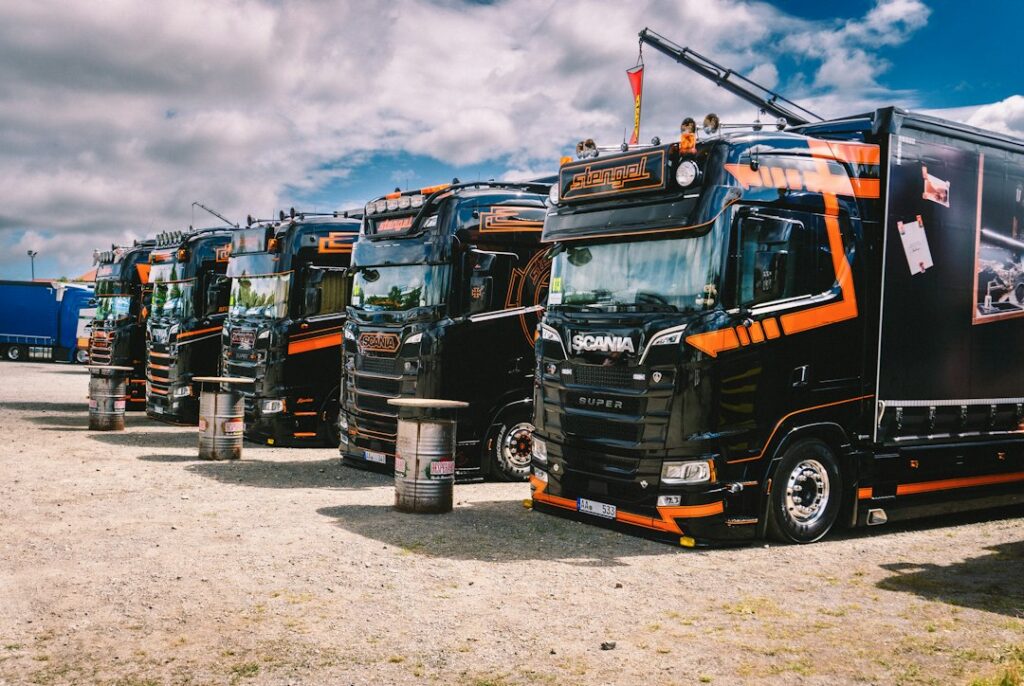
The company also promotes used trucks, arguing that strong builds and durability keep its vehicles on the road longer. For cost-conscious Canadian carriers facing high interest rates or uncertain freight volumes, the second-hand market is often the realistic entry point.
A Cross-Border Brand With Canadian Touchpoints
The company behind the lineup operates as International Motors, LLC, and its website groups the U.S. and Canada together as a single region, with separate sections for Latin America and Mexico. General context: The brand, formerly known as Navistar, is part of Germany’s Traton Group.
Canadian buyers do get some dedicated attention. The company maintains a separate recalls page for Canada alongside its U.S. recalls listing, and its inventory tool lets shoppers check stock at dealers nationwide. Other parts of the experience still lean American, however: the newsletter sign-up asks for a zip code rather than a postal code.
That cross-border structure is not just a website detail. With Canada-U.S. trade relations under steady scrutiny, the way North American truck makers organize production, parts supply and dealer networks across the border can affect pricing and availability for Canadian fleets. International’s overview does not say where individual series are built or how trade conditions affect Canadian orders.
What the Catalogue Leaves Out
For all its emphasis on choice, the lineup overview is a marketing showcase rather than a spec sheet. Buyers looking to compare International against rival manufacturers will need to go further. The following details are not specified:
- Pricing: No base prices or Canadian-dollar figures for any series.
- Technical specifications: No horsepower, torque, payload, gross weight ratings or fuel economy figures.
- Electric range: No battery capacity or driving range for the eMV.
- Canadian lead times: No delivery timelines or regional availability details.
Fleet managers would typically get those figures from dealers or through series-level product pages and configurator quotes.
Frequently Asked Questions
How many truck series does International currently offer?
Seven: MV, eMV and CV in medium duty; LT and RH in heavy duty; and HX and HV in severe duty.
Does International sell an electric truck?
Yes. The eMV series is the electric option in its medium-duty range, and the company also lists fleet electrification and charging services.
Are International truck prices published?
Not in the lineup overview. Pricing is not mentioned, and buyers would need to consult a dealer or the configurator.
Is the lineup available in Canada?
The company groups the U.S. and Canada as one region, offers an inventory search across dealers and keeps a separate Canadian recalls page, though Canada-specific availability by series is not specified.

The Brand Magazine Newsroom covers Canadian business, markets and policy news for brand builders and entrepreneurs. Newsroom reports are produced from published public sources such as company releases and government and regulator publications, and follow our Editorial Standards.