
A practical, Canada-first guide to the U.S., global and after-hours signals that shape what happens on the TSX each week.
Stock market movements south of the border and overseas set much of the tone for Canadian portfolios. With the trading week closed as of Saturday, October 17, 2026, investors in Canada are weighing a familiar mix of data before the Toronto Stock Exchange reopens on Monday: U.S. index levels, world market moves, after-hours trading and individual stock quotes.
Most widely followed market dashboards are built around Wall Street. For Canadian readers, that means the numbers need translating. A strong session in New York does not automatically mean a strong one on Bay Street, and the reasons why are worth understanding before acting on any headline.
What the Weekend Market Dashboards Actually Show
The major market-data pages that Canadians check on weekends typically group their coverage into four areas. Each one answers a different question about where prices stand and where they may be heading.
- U.S. markets: The headline indexes for large American companies, technology stocks and the broader market.
- World markets: Index performance across Asia, Europe and the Americas, often displayed on a global map.
- After-hours trading: Price changes that happen once regular U.S. sessions end, frequently driven by earnings releases.
- Quotes: Look-ups for individual stocks, funds and other securities.
What these snapshots rarely provide is a Canadian lens. Specific figures for the week were not detailed in the source material reviewed for this report, so readers should confirm closing levels directly with their brokerage or an exchange before drawing conclusions.
Why the TSX Does Not Simply Copy Wall Street
General market context: Canada’s benchmark index has a very different makeup from the major U.S. indexes. The TSX leans heavily on financial services, energy and materials, while American benchmarks carry far greater weight in large technology companies.
That difference matters on days when a single sector drives the action. A rally led by U.S. chipmakers or software firms may barely register in Toronto. A jump in oil or gold prices, by contrast, can lift the TSX even on a day when New York is flat.
For a closer look at how this dynamic was playing out earlier in the month, see our report on what Canadians should watch as mid-October trading unfolds.
Reading Stock Market Movements Through Cross-Listed Shares
Many large Canadian companies trade on both a Canadian exchange and a U.S. exchange. These cross-listed shares are often the clearest bridge between the two markets, because their U.S. price can move after the TSX has closed for the day.
General market context: When a cross-listed company reports results late in the day, its U.S.-listed shares may react in extended trading well before Canadian investors can trade the Toronto listing. That early move can offer a hint, though not a guarantee, of where the Canadian shares open the next session.
Currency also plays a role. A cross-listed stock priced in U.S. dollars and the same stock priced in Canadian dollars can appear to move by different amounts simply because the loonie shifted against the greenback.
After-Hours Trading in the Middle of Earnings Season
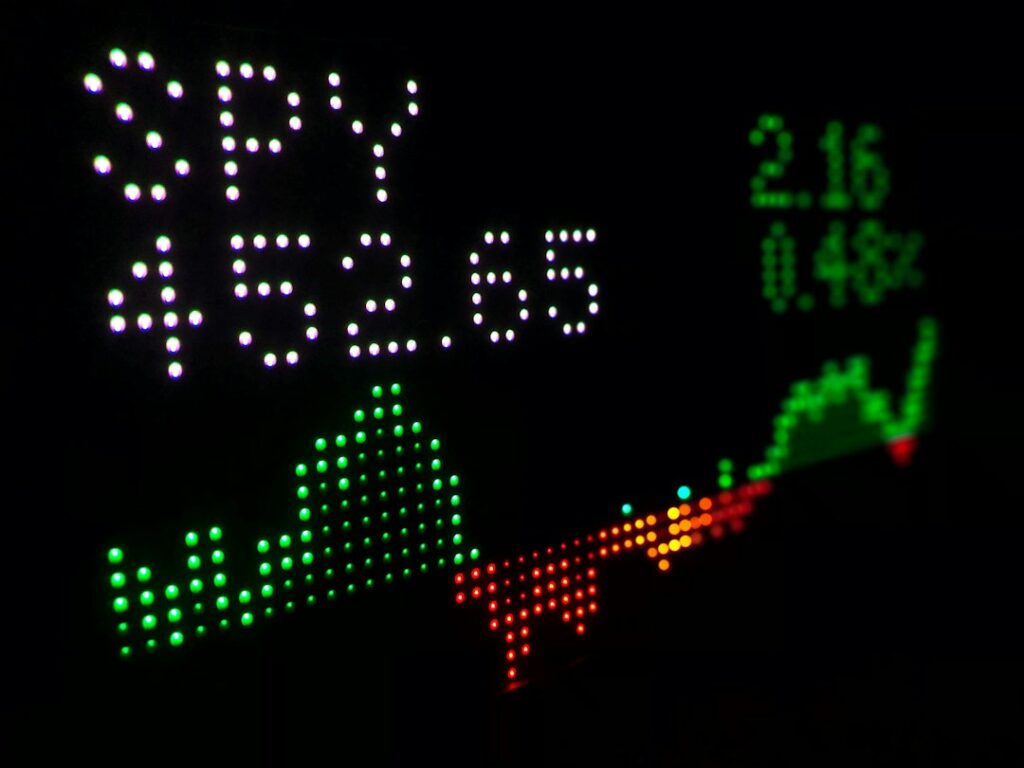
Mid-October sits inside the third-quarter earnings season, when large companies release results and forward guidance. Many of these announcements land after the closing bell, which is why after-hours price tables draw so much attention at this time of year.
Extended-hours trading tends to involve lower volumes than regular sessions. That can make price swings look larger than they would be during normal hours, and early moves sometimes reverse once the full market opens.
Regional lenders and financial firms are among the companies investors are tracking. Our preview of First Horizon’s earnings and Wall Street’s flat revenue expectations shows how analyst forecasts frame the reaction before results are even published. For a broader take on how the season is being framed in Canada, read our piece on why a word for fellowship frames Canada’s earnings season.
The Loonie, Bond Yields and the Bank of Canada
General market context: Equity prices in Canada are closely tied to interest-rate expectations. When markets anticipate rate cuts from the Bank of Canada, rate-sensitive sectors such as utilities, real estate and telecom often benefit. When expectations shift toward holding or raising rates, those same sectors can come under pressure.
The Canadian dollar acts as a second pressure gauge. A weaker loonie can help exporters and resource producers that earn revenue in U.S. dollars, while a stronger loonie can trim the value of foreign holdings for Canadian investors.
Government bond yields tie these threads together. Movements in U.S. Treasury yields often spill into Canadian bond markets, which in turn influence mortgage rates, bank margins and the valuations of dividend-paying stocks.
Big Six Bank Stocks and Their Weight on the Index
Canada’s largest banks make up a significant share of the TSX, so their share prices carry outsized influence on the index. Their quarterly results typically arrive later in the year than U.S. bank earnings, which means Canadian investors often watch American lenders for early signals about credit quality and loan demand.
Regulatory developments matter as well. Changes to capital rules can affect how much banks lend, how much they return to shareholders and how competitive smaller lenders can be. Our coverage of OSFI’s review of the capital rules that favour the Big Six explains why those policy shifts can move bank shares.
How U.S. and Canadian Market Signals Compare
The table below sets out, as general context, how commonly followed data points tend to translate for investors in Canada.
| Data point | What it shows | What Canadians should add |
|---|---|---|
| U.S. index levels | Direction of large American companies | Compare against TSX sector weights |
| World markets map | Regional moves across Asia, Europe and the Americas | Note commodity-linked markets that track resources |
| After-hours trading | Early reaction to late-day news and earnings | Check U.S. listings of cross-listed Canadian firms |
| Individual quotes | Price of a single security | Confirm currency and which exchange the quote reflects |
A Checklist for Monday’s TSX Open
Before reacting to weekend headlines, readers can work through a short set of checks to keep the numbers in perspective.
- Confirm the closing figures: Verify Friday’s final index and stock levels through a brokerage or exchange rather than relying on a headline.
- Check the sector driver: Identify whether the week’s biggest moves came from technology, energy, banks or another group, and how heavily that group features on the TSX.
- Look at commodities: Oil, natural gas, gold and base metals often explain Canadian moves better than U.S. stock indexes do.
- Watch the currency: Note where the Canadian dollar finished against the U.S. dollar before comparing returns across borders.
- Review scheduled earnings: List the companies you hold or follow that are reporting next week, including any that report after the close.
- Treat after-hours moves with care: Thin volumes can exaggerate price changes that may fade once regular trading resumes.
Why Weekly Market Swings Matter to Everyday Canadians
Market movements are not only a concern for active traders. Pension plans, RRSPs, TFSAs and workplace savings plans all hold stocks and bonds, so weekly swings flow through to the retirement savings of millions of Canadians.
Short-term moves can also influence business decisions. Companies weigh share prices when considering acquisitions, new listings or hiring plans, and lenders look at market conditions when setting borrowing costs. For brand builders and entrepreneurs, that makes the weekly market picture part of the wider economic backdrop.
Caution: This article provides general information only and is not financial advice. Specific index levels and price changes for the week were not confirmed in the material reviewed, and readers should verify figures and consult a qualified adviser before making investment decisions.
Frequently Asked Questions
Does a strong day on Wall Street mean the TSX will also rise?
Not necessarily. The TSX is weighted toward financials, energy and materials, so it can diverge from technology-heavy U.S. indexes.
What is after-hours trading?
It is trading that takes place after regular sessions close, often in reaction to earnings released late in the day. Volumes are usually lower, so prices can swing more sharply.
Why does the Canadian dollar matter for stock returns?
Exchange rates change the value of U.S.-dollar holdings for Canadian investors and affect the earnings of companies that sell abroad.
Were specific market figures for the week confirmed?
No. Exact closing levels were not specified in the source material, so readers should check them with a brokerage or exchange.

The Brand Magazine Newsroom covers Canadian business, markets and policy news for brand builders and entrepreneurs. Newsroom reports are produced from published public sources such as company releases and government and regulator publications, and follow our Editorial Standards.