Stock market movements south of the border shape Canadian portfolios. Here is how to read U.S., global and after-hours data before Monday’s TSX open.

Stock market movements south of the border shape Canadian portfolios. Here is how to read U.S., global and after-hours data before Monday’s TSX open.

Stock market movements in the U.S. and abroad shape Canadian portfolios. Here is what to watch in mid-October 2026 as earnings and a rate decision approach.
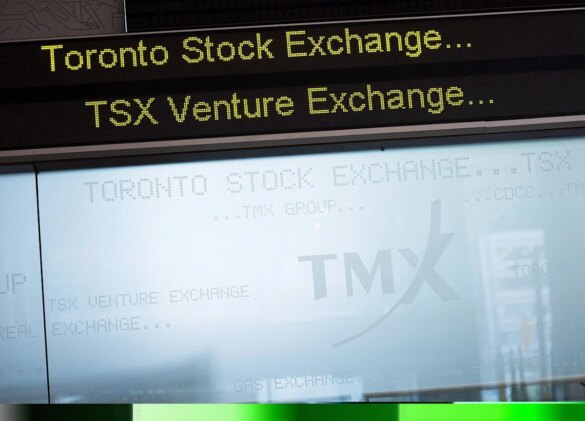
The S&P/TSX composite closed down 81.11 points at 35,154.76 on basic materials losses, while the Dow, S&P 500 and Nasdaq all finished higher.

The TSX composite rose 347.89 points to 35,502.65 on Oct. 2, 2026, snapping a four-day slide as investors weighed bond yields, trade friction and jobs data.

The TSX composite rose 347.89 points to close at 35,502.65 on Oct. 2, 2026, snapping a four-day slide as tech and industrials led gains and crude oil fell.

The S&P/TSX composite closed up 326.21 points at 36,335.61 on Sept. 22, 2026, led by materials and tech, as U.S. markets finished mixed.

The S&P/TSX composite closed down 584.18 points at 35,751.43 on Sept. 23, 2026, as basic materials sank, gold fell US$58 and U.S. indexes slid.

The Canadian dollar’s third-quarter rally has stalled after trade talks broke down. National Bank of Canada sees USD/CAD near 1.40 before easing to 1.33 by 2027.

The Canadian dollar held firm near 1.3780 against the greenback as elevated crude prices offset new US restrictions on Canadian vehicle and dairy exports.