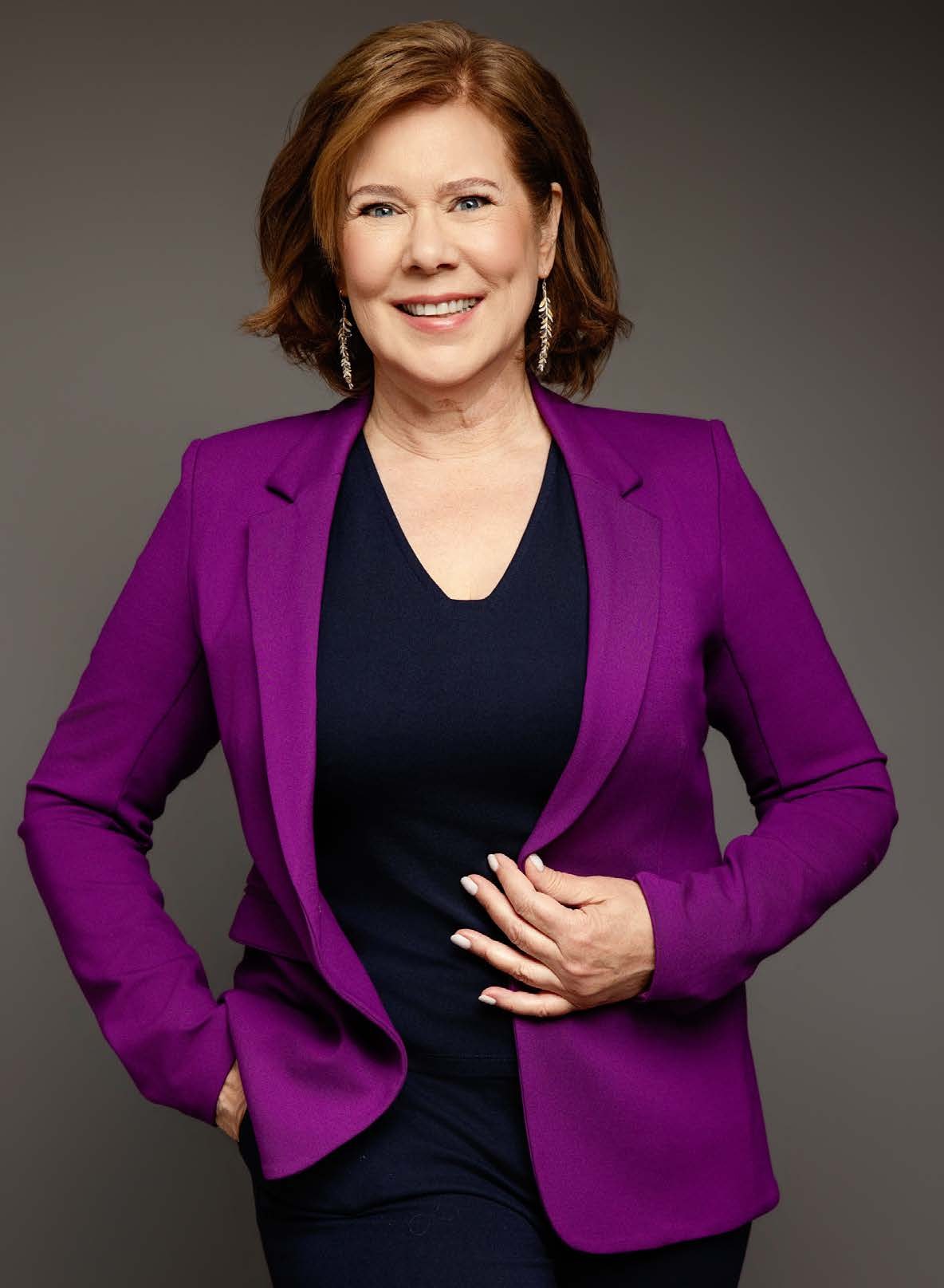
Cathie Saroka has spent forty years building Goldray Glass. Ask her about that success, and she’ll shift the conversation to her team, customers, partners and her son, Michael. In Cathie’s world, every accomplishment becomes “we” never “I”.
When Goldray first began, there wasn’t a grand business plan, just the determination to make it work. After her husband’s short-lived partnership in another glass company came to an end, the two decided to continue building something of their own. With little business experience, very little money and two young children at home, Cathie still laughs when she says they “had no business starting a company.” What started as a leap of faith eventually became one of North America’s leading decorative architectural glass manufacturers.

Competing against established companies wasn’t realistic, so instead of trying to be bigger, Goldray chose to be different. “We kept asking ourselves, ‘What is nobody else doing?’” Cathie recalled. That question shaped the future of the company. At a time when decorative architectural glass was still a relatively untapped market, Goldray began experimenting with finishes, textures and designs that architects and designers hadn’t seen before.
It wasn’t about following trends or chasing the next big product. It was about solving a problem and finding a way to stand apart in an industry where doing what everyone else was doing simply wasn’t enough. That mindset followed Goldray into every challenge that came after.
One story that still makes Cathie smile was Goldray’s first major project in the United States. A customer in Chicago approached the company with an ambitious concept that stretched well beyond anything they had tackled before. Goldray accepted the challenge, knowing the path to the finished product wasn’t entirely clear. The team spent days experimenting, adapting and solving one obstacle after another. Partway through the project, the customer visited the factory to see the progress firsthand. The visit gave the customer so much confidence in Goldray’s approach that they expanded the order before the project was complete. For Cathie, it wasn’t just a successful project. It became proof that customers weren’t simply buying glass. They were placing trust in the people willing to solve problems others might walk away from.
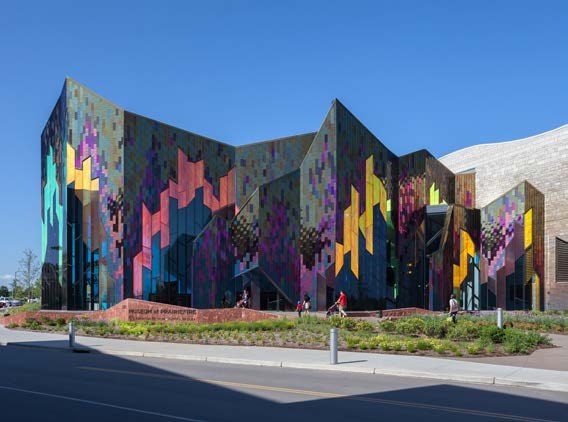
That same approach continues to define Goldray today. Years later, another project that remains one of Cathie’s favourites is the Museum at Prairiefire in Kansas. Its vibrant glass exterior transforms throughout the day as the light changes, creating an effect that is as much art as architecture. For Cathie, it’s a reminder of just how far Goldray has come from those early days of simply trying to carve out its place in the industry. Projects like Prairiefire don’t happen by accident. They happen because Goldray has continued to evolve, constantly developing new products, refining processes and investing in the people who will carry the company forward.
Michael has been part of Goldray for as long as he can remember. Like many family businesses, he grew up around the factory, helping out from the age of eight. Today, he leads product and systems development, combining creativity with technical expertise to continue pushing the company forward. Cathie smiles when she talks about him, not simply because he’s her son, but because of the leader he has become. Michael is helping shape not only Goldray’s future, but the future of the industry. Getting to this point, however, wasn’t without its challenges.
Not every chapter of Goldray’s story has been easy. Cathie’s husband faced ongoing challenges with mental health and addiction for years that ultimately led to his passing in 2020. At a time when those conversations rarely happened openly, the family found themselves navigating years of uncertainty while trying to keep the business moving forward. Recognizing that the company needed stability, Cathie and her son Michael stepped into leadership together early on. Her daughter, Laura, also joined them for many years. For them, it wasn’t about replacing someone they loved. It was about protecting the business they had built together while supporting him through an incredibly difficult time.
As they took on those new roles, they also made a conscious decision together to rebuild Goldray into the kind of company that they themselves would want to work for. Trust replaced hierarchy. Communication became a priority. Most importantly, people came first.
“Business is all about people. It doesn’t matter what industry you’re in.”
These days, that philosophy extends well beyond Goldray’s walls. As the company continues to grow under the leadership team she helped build, Cathie is beginning another chapter through executive coaching and is now a certified coach. It’s a path she never imagined taking, but after navigating challenges she once had to face without enough support herself, helping other entrepreneurs succeed feels like a natural extension of everything she has learned.
Cathie never set out to build one of North America’s leading decorative architectural glass companies. She simply kept responding to the challenge in front of her. Whether it was finding Goldray’s place in a competitive industry, helping customers achieve what others thought impossible, rebuilding a company culture or now supporting fellow entrepreneurs, one question has guided every chapter of her career:
How can we make this better?
Photo credit: Cedna Todorovic / Cedna Portrait Stories (Instagram: @cednaportraitstories; Website: www.cednaportraitstories.com)

Associate Publisher | BRAND & Family Psychology Magazine
Jelena Dumka is a versatile media professional and community advocate currently serving as the Associate Publisher for both BRAND and Family Psychology Magazine. Working alongside Managing Director Danijel Slisko at Cerco Design, she plays a pivotal role in bridging the gap between high-level creative strategy and impactful editorial content.