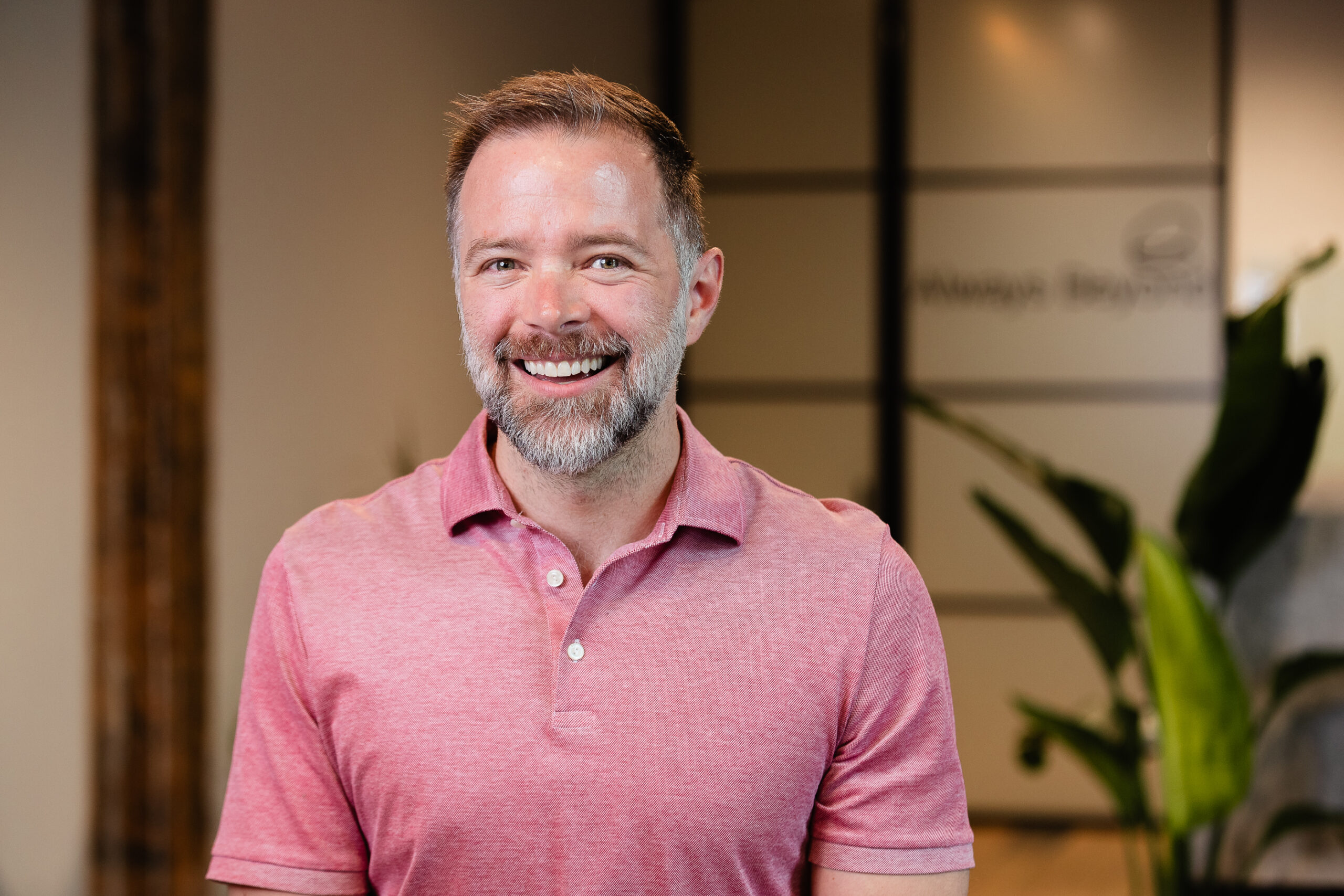
Entrepreneur Shawn Freeman says the instability of his early teens, marked by a difficult parental divorce and financial hardship, forced him to become self-reliant at a young age. It’s a lesson he credits with shaping his later business success.
Growing up in a household strained by conflict and limited resources, Freeman developed a strong drive for financial independence, a motivation that would go on to influence many of his early career decisions. He says that experience instilled both resilience and a lasting awareness of risk, pushing him to take ownership of his circumstances rather than rely on others.
While he acknowledges that fear of financial insecurity guided him “for probably a bit too long,” he ultimately channeled it into building and later selling a successful business. Over time, he learned to balance that independence with curiosity and a willingness to seek help, a combination he now views as critical to personal and professional growth.
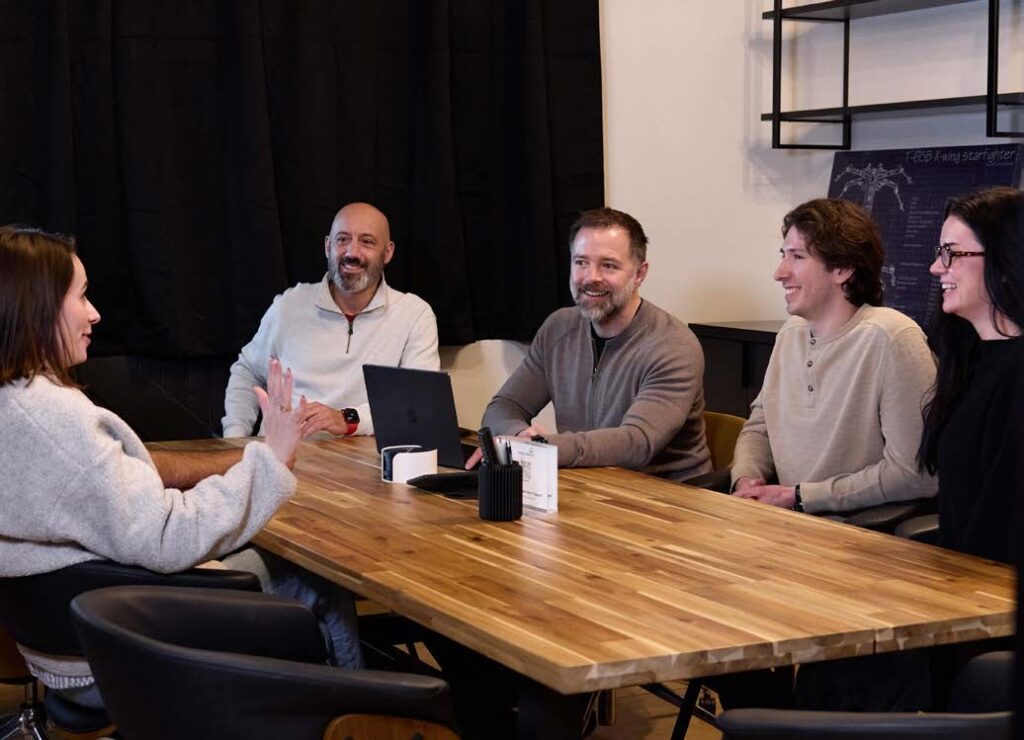
Another formative influence came when Freeman was introduced to computers as a teenager, sparking an early passion for technology that evolved into his career. Today, he is a successful entrepreneur with decades of experience founding and scaling IT management companies – and encourages young people to explore their interests deeply and consider how those passions could translate into meaningful work.
Combined with a mindset of accountability, and the belief that both success and failure rest squarely on one’s own decisions, Freeman says these early lessons continue to underpin his approach to entrepreneurship and community involvement.
Freeman, who has worked in the IT industry and was previously the Chapter President of the Entrepreneurs’ Organization in Calgary, describes his parents’ divorce as a “pretty pivotal moment in my life.”
“Looking back, I realized that I learned to be fairly self-sufficient and take care of myself. A secondary thing, maybe primary, was that it put us in a pretty bad financial spot as a family. I realized I had a big fear, and I’ve maintained a big fear, around financial independence and making sure I was taken care of in that way, alongside my focus on having to take care of myself,” he says.
“That’s definitely carried into my adulthood and where I am today. It took me a while to realize that, and it drove a lot of decisions I made for probably a bit too long.”
“Taking that into account, I’ve been able to grow a business, sell it, and then get back into the business as well. It’s been a bit of a journey, but that’s probably the biggest thing that’s shaped who I am and how I operate.”
When he talks to youth, his message is clear.
“Through my parents’ divorce, my dad got me a computer. Computers were starting to become mainstream, and he was able to get some used parts and put something together for me. That was really impactful,” explains Freeman.
“I’m in technology now, and I think that really spurred a passion. As a kid, don’t discount the things you’re really interested in and passionate about. Ask, ‘How could I turn this into a bigger part of my life?’ if it resonates with you. A lot of people love doing something but don’t spend enough time figuring out how it could be their career. We all know the saying, if you do something you love, you never work a day in your life.”
“As a kid, you have lots of freedom to try things, so do that as much as you can. There’s a balance between being self-sufficient and self-motivated, but also knowing when to ask for help and be curious. As I’ve learned to incorporate those things later in life, they’ve made a big impact. You can take care of yourself and also give back to others and the community. If you can find a way to do all three, how can you fail?”
In his entrepreneurial journey and his exposure to many entrepreneurs, does he think there’s a common thread for success?
“The number one thing I find is people who understand that as an entrepreneur, everything is your fault. The good things and the bad things are your fault,” shares Freeman.
“If people aren’t buying your product or service, that’s your fault. You’ve either picked the wrong thing or done a bad job communicating its value. Really understanding and believing that has driven me to make sure every part of my business is working how I want it to.”
“Sometimes you think something is set up well, and then someone shows you a better way. But you do the best you can with what you have at the time. It’s about taking accountability.”
He says he’s seen entrepreneurs say, “My books are three months behind because my bookkeeper doesn’t keep up.” That’s not the bookkeeper’s fault. You hired them. Maybe you didn’t set expectations, or you need a different one.
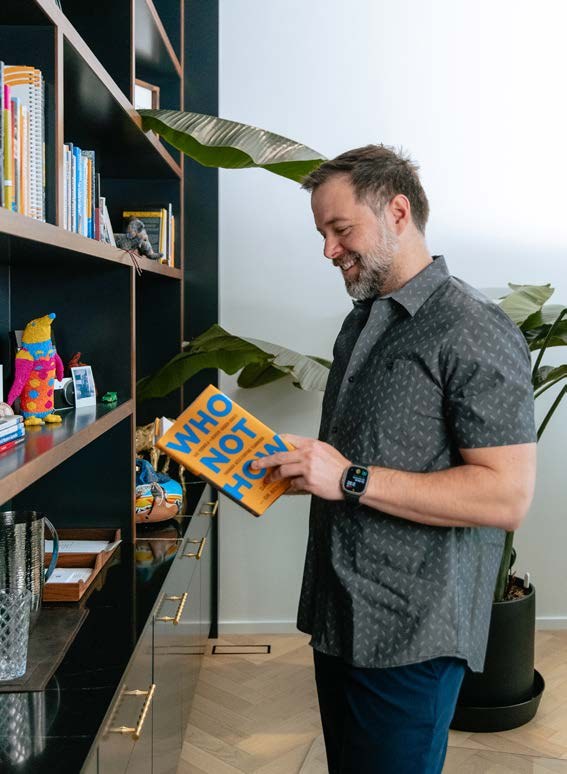
“Understanding fundamentals, sales, market fit, financials, is critical. You can’t just say, “I hired an accountant, so I don’t need to understand financials.” That’s untrue. If you don’t, you’ll fail,” says Freeman.
“If you don’t have cash, your business goes down the drain quickly. Taking ownership forces you to look at reality and act on it.”
A few years ago he sold one of his businesses. The key was setting up the business to run like a well-oiled machine. It had a great team, standardized products, clients who valued what it offered, and good margins.
“Buyers pay for boring,” he explains. “If things are just working and cash is flowing, that’s what they want.”
That acquisition was also driven by the future. The acquiring company shared their vision and asked if Freeman wanted to be part of it.
“You need to negotiate your price and not take the first offer. Also, we ran a really good business compared to the average. A lot of businesses aren’t profitable,” he says.
“At the end of the day, it’s not just about your product or service. It’s about financials, the balance sheet, and profit and loss. If you don’t understand those, your business might not be worth anything.”
“I was intentional about not making my identity the business. A lot of people fall into that trap. I looked at it pragmatically. If I start a business, eventually I’ll exit it. If your identity is tied to it, that’s dangerous. When you exit, you can lose your sense of purpose.”
“You see it in professional sports. People retire young with money but no purpose. The purpose has to outlast the business.”
Outside of work, Freeman says he has a special bond with Trellis Society, a nonprofit organization based in Calgary that provides mental health, addiction recovery, and community support services.
Trellis was formed in 2021 through the merger of two long-standing Calgary organizations: Boys and Girls Clubs of Calgary and Aspen Family & Community Network Society.
“I used my business to support Trellis Society and other initiatives, and I kept doing that after selling. Being intentional about that is important.”
And Freeman is a firm believer that business owners should give back to the community.
“I think the universe operates in abundance. There’s no shortage of ideas, money, investment, or customers. If you operate with that mindset, abundance finds you. Supporting the community and causes close to your heart is part of that,” he adds.
“I support Trellis, formerly Boys & Girls Clubs of Calgary, because during my parents’ divorce, I was a club kid. I went to the Penbrooke Club in Calgary, and it helped keep me on the right path.”
Today, Freeman has restarted an IT services business under Always Beyond. He’s also coaching other MSP (Managed Service Providers) owners.
“I learned a lot from my first business and want to share that. The industry is maturing, but there’s no clear playbook on how to build an MSP properly,” he says.
“I coach about a dozen people on building their MSPs, overcoming roadblocks, and taking accountability. I’ve created a course and a mastermind group to help elevate the industry.”
“I’m also running an MSP myself. With an abundance mindset, even if I coach people locally, there’s enough business for everyone. If we both do great work, we won’t compete. We’ll both succeed.”
“If I could go back to before starting my first business, I’d get clear on my long-term goals, not five or 10 years, but 25 years. I’d talk to experienced entrepreneurs to understand what’s possible, then plan accordingly. That would have influenced how I structured the business, especially for tax purposes, and decisions like family trusts.”
“I probably would have grown faster and had more success. I didn’t fully understand what was possible, so having a mentor would have been valuable.”

Writing Contributor | BRAND & Family Psychology Magazine
Mario Toneguzzi is a veteran of the Canadian media industry with over 40 years of experience as a journalist, columnist, and editor. Based in Calgary, Mario brings a wealth of expertise in storytelling, news reporting, and strategic communication to his role as a contributor for both BRAND and Family Psychology Magazine.